German Shepherd vs Rottweiler: Which Dog Fits Your Life?
Both are loyal, confident working dogs that protect their family, and both need a serious owner. The German Shepherd is the more trainable, more versatile of the two, and the better pick for most owners. The Rottweiler is bigger, stronger and calmer at home, but more independent and harder to handle, so it suits an experienced owner with time for daily training and socialization. Neither is a beginner dog you can leave to itself.
| German Shepherd | Rottweiler | |
|---|---|---|
| Size | 22 to 26 in, 50 to 90 lb | Males 24 to 27 in, females 22 to 25 in, 80 to 135 lb |
| Lifespan | 9 to 13 years | 9 to 10 years |
| Temperament | Loyal, protective, reserved with strangers | Calm, confident, courageous, aloof with strangers |
| Energy | High, needs serious daily exercise and training | High, needs serious daily exercise and training |
| Exercise | Long walks plus play and training, every day | Long walks plus play and training, every day |
| Shedding | Heavy year-round, two heavier seasons | Moderate, with a heavier shed twice a year |
| Training | Learns fast, lives to work | Smart but independent, needs a steady owner |
| Guarding | Excellent watchdog | Excellent guard dog, naturally protective |
Breed-standard figures: AKC German Shepherd Dog breed page and AKC Rottweiler breed page.
These are the two big names in loyal working dogs. The German Shepherd is the world’s best-known police and service dog. The Rottweiler comes from the droving dogs of the Roman legions, and takes its name from the town of Rottweil in Germany, where these dogs herded cattle and pulled carts for butchers and farmers. The American Kennel Club recognized the Rottweiler in 1931 and places it in the Working Group. Both are calm with their own family and serious with strangers, and both need an owner who trains every day. The differences are in size, in trainability, and in how much independence you get. This comparison puts them side by side, honestly, so you can pick the one that fits your life.
On this page
Temperament
The German Shepherd bonds deeply with its people. It is confident, alert and protective of its family, and reserved, not instantly friendly, with strangers. That makes it an excellent watchdog, and it also means early, ongoing socialization matters. A Shepherd that meets lots of people, dogs and places as a puppy grows into a steady adult. One that does not can become nervous or reactive.
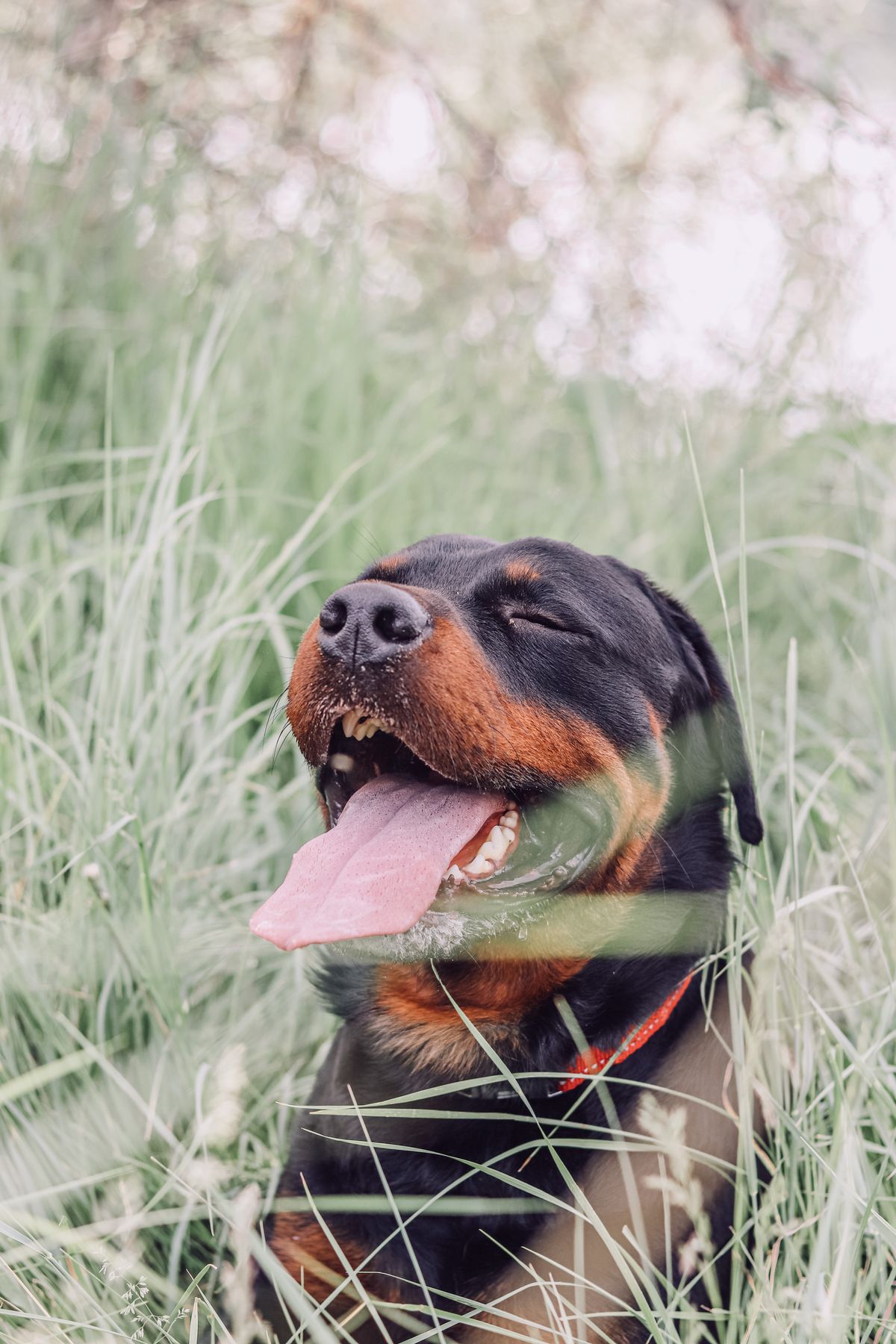
The Rottweiler is calm, confident and courageous, with what the American Kennel Club calls a self-assured aloofness toward strangers. At home with its family, a well-raised Rottweiler is relaxed, even goofy, and very loyal. With strangers it is watchful and reserved. It is also more independent than a Shepherd: it loves its people, but it does not hang on your every word the way a Shepherd does.
Both can be good with children when well socialized and trained, and both are large, strong dogs, so supervise play with small children. The Shepherd is usually more patient with the noise and chaos of a family home. The Rottweiler needs more careful socialization and steady rules from day one.
Exercise
Both breeds need serious daily exercise, and a quick trip around the block is not enough for either. A German Shepherd needs long walks plus play or training, every day. Mental exercise matters as much as physical: ten minutes of training can tire a Shepherd out more than a half-hour walk.
A Rottweiler needs the same: long daily walks plus play and training. Rottweilers were bred to work all day, herding and pulling, so they have real stamina. An under-exercised Rottweiler gets bored, and a bored Rottweiler chews, digs and barks. Both breeds do best in a home with a garden and an owner who is out and about every day. Read the full exercise notes in our German Shepherd guide and our Rottweiler guide.
Shedding and grooming
This is one of the clearest differences. The Shepherd has a dense double coat and sheds heavily year-round, with heavier shedding seasons twice a year. Brushing 2 to 3 times a week with a de-shedding tool or slicker brush keeps it manageable, daily during heavy shedding. A good vacuum is not optional with this breed.
The Rottweiler has a short, dense double coat, black with rust markings, and sheds moderately, with a heavier shed twice a year. Brushing once or twice a week is usually enough, and the short coat is much easier to live with than a Shepherd’s. If shedding is your dealbreaker, the Rottweiler wins this round easily.
Both need regular baths, nail trims and ear checks. Rottweilers drool more than Shepherds, so keep a towel by the door if that bothers you.
Training
This is the biggest difference between the two. German Shepherds learn fast, including bad habits, and they live to work. Short, positive training sessions every day work best, then harder work: obedience, tracking, agility or scent games. A trained Shepherd is a joy; an untrained one is a handful.
Rottweilers are smart too, but they are more independent and slower to obey just because you asked. They need a calm, steady owner who trains every day, sets clear rules, and never lets the dog rehearse bad habits. Rottweilers respond best to fair, consistent training with rewards. Harsh handling backfires with this breed: it damages trust and makes the dog harder to handle, not easier.
Both breeds need early, ongoing socialization: lots of people, dogs, places and sounds while they are young. For a Rottweiler this is not optional. It is the single most important thing you will do for your dog.
Guarding
Both are excellent at guarding, and neither needs to be taught to be protective. The Shepherd is an excellent watchdog: alert, protective, and reserved with strangers. It barks to warn you and stands between you and a threat.
The Rottweiler is a natural guard dog too, and its size alone is a deterrent. It is calm and watchful rather than noisy, and it protects its home and family without being asked. The risk with both breeds is the same: a poorly socialized, untrained guard dog is a liability, not an asset. If you want a guard dog, you need to put in the training and socialization every single day, for the life of the dog.
Do not get either breed just for guarding. Get it because you want a loyal working dog and you are ready for the work that comes with it.
Feeding
Feed a complete, good-quality food suited to the breed, in measured meals, and follow the feeding guide for your dog’s age and weight. Both are large, active breeds, usually fed twice a day as an adult. The Rottweiler is the heavier dog, at 80 to 135 lb, so it eats more than a Shepherd, and it puts on weight easily if meals are not measured. For Shepherd-specific picks, see the best food for German Shepherds.
Which one should you choose?
Choose the German Shepherd if you want a loyal, trainable working dog that lives to learn, you are ready for daily exercise and training, and you can live with heavy shedding. It is the better first dog of the two, if you are committed.
Choose the Rottweiler if you are an experienced owner, you want a calm, confident, strong dog with an easier coat, and you have the time for daily training and socialization for the life of the dog.
Choose neither, for now, if you want a calm, low-energy dog, or you live in a small flat with no garden and no time for long daily exercise and training. And if you want something friendlier and easier, read our Labrador guide before you decide.
Related: German Shepherd Guide · Rottweiler Guide · German Shepherd vs Labrador · German Shepherd vs Husky · Best Food for German Shepherds
General care information only. This comparison covers everyday care, not veterinary advice. For anything about your dog’s health, talk to your vet. We never diagnose or treat.
Sources: AKC: German Shepherd Dog breed standard and AKC: Rottweiler breed standard. Breed-standard height, weight and lifespan figures on this page come from the AKC.
FAQ
Which is easier to train, a German Shepherd or a Rottweiler?
The German Shepherd is usually easier to train. Shepherds live to work and pick up new commands fast. Rottweilers are smart too, but they are more independent and need a calm, steady owner who trains every day.
Which sheds more, a German Shepherd or a Rottweiler?
The German Shepherd sheds more. It has a dense double coat and sheds heavily year-round, with two heavier seasons. The Rottweiler has a short, dense coat and sheds moderately, with a heavier shed twice a year.
Which is better with kids, a German Shepherd or a Rottweiler?
Both can be good with children when well socialized and trained, and both are large, strong dogs, so supervise play with small children. The Shepherd is usually more patient with the noise and chaos of a family home. The Rottweiler needs more careful socialization and steady rules.
Which is better for first-time owners, a German Shepherd or a Rottweiler?
The German Shepherd, if you are ready for daily exercise and training. The Rottweiler is usually not a good first dog: it is bigger, stronger and more independent, and it needs an experienced owner who trains and socializes it every day.