Puppy First Week Planner: Your First 7 Days, Day by Day
Your puppy, your week
Your first week plan
The rhythm of every day
The first week with a puppy runs on a simple rhythm: wake, toilet, eat, play a little, toilet again, sleep, repeat. Puppies sleep 18 to 20 hours a day, need the toilet after almost everything, and learn the house rules fastest when every day looks like the last one. This planner builds that rhythm around your puppy's age and breed, and gives each of the seven days one job.
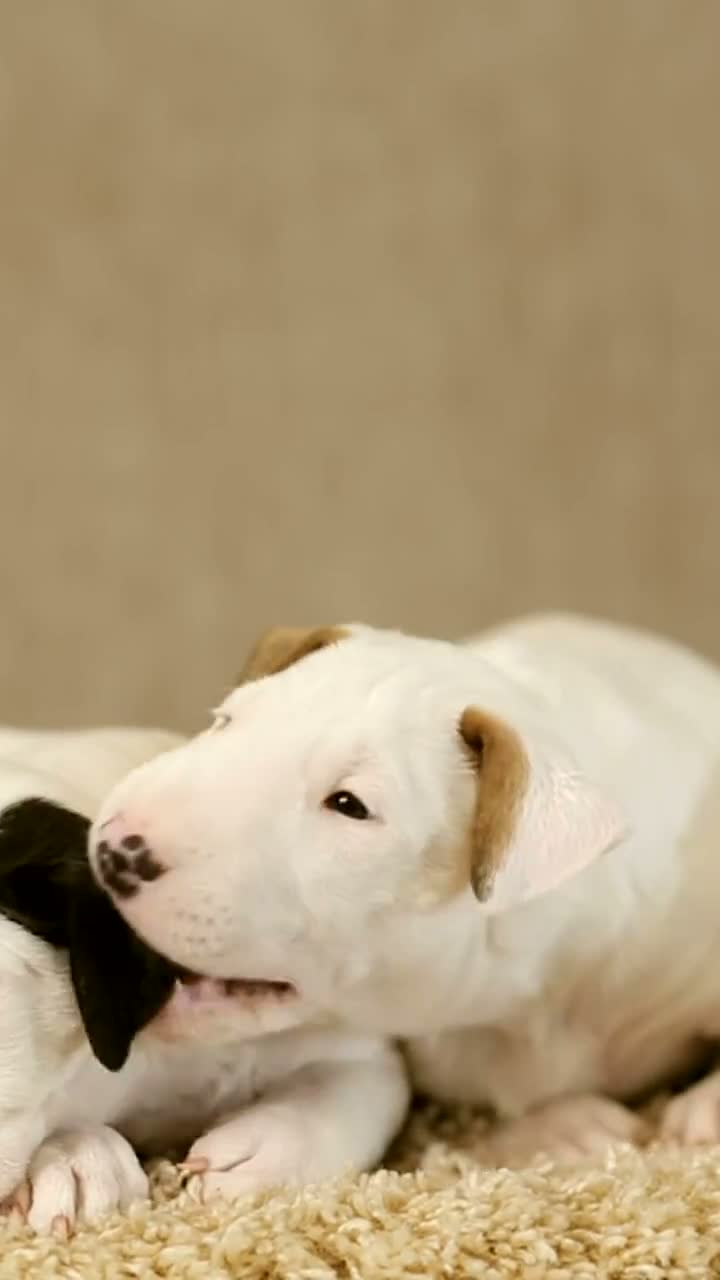
The four rules underneath every good first week
Toilet first, everything else second. A young puppy needs the toilet after waking, after eating, after playing and before sleeping. Take it to the same spot, on a lead, boring as anything, and praise it warmly when it goes there. Accidents in week one are almost always a human timing mistake, not a puppy problem.
Sleep is training too. Puppies need 18 to 20 hours of sleep a day, and an overtired puppy is a biting, zooming puppy. A crate or pen in a quiet corner, with the door closed for naps, is not a punishment. It is how the puppy's brain files the day.
The world, from your arms. The early weeks are the puppy's big learning window for what is normal. Until your vet says vaccinations are complete, carry the puppy out to see traffic, people, sounds and other dogs at a distance. It gets the education without the ground risk.
One new thing a day is plenty. A name game today, a collar tomorrow, a grooming touch the day after. Puppies learn in two minute games, several times a day, far better than in one long lesson. Keep every session short enough that the puppy is still keen when you stop.
Related: Breed Feeding Calculator · Labrador Retriever Guide · All breed guides · All Petsarina tools
General care information only. This planner covers the everyday routine of a healthy puppy, not veterinary advice. Vaccination timing, worming and your puppy's first health check belong to your vet, and most owners book that first check inside the first week. We never diagnose or treat.
FAQ
How often should an 8 week old puppy eat?
Four small meals a day, at regular times, works for most puppies from 8 to about 12 weeks. Keep the same food the breeder or rescue was feeding for the first few days, even if you plan to change it, and swap slowly over about a week if you do. Regular meal times make toilet times predictable, which makes the whole first week easier.
How many toilet breaks does a new puppy need?
More than most people expect. In the first week, take the puppy to the same toilet spot after every nap, every meal, every play session and before bed, which often adds up to 8 to 10 trips a day. A rough guide is that a puppy can hold on for about as many hours as its age in months, so an 8 week old needs a chance roughly every two hours while awake.
Where should a puppy sleep on the first night?
Close to you. A crate or pen beside your bed works well for the first nights: the puppy can hear and smell you, settles faster, and you will hear it stir when it needs a toilet trip. A puppy that has just left its mother and littermates and is left alone in a strange room will cry, and that is loneliness, not naughtiness.
When can my puppy walk on the ground outside?
Most vets advise waiting until vaccinations are complete before walking a puppy on public ground where unknown dogs have been. Until then, carry the puppy out and about so it still sees traffic, people and the world from your arms, and use your own garden for toilet training and play if no unvaccinated dogs share it. Ask your vet for the timing for your puppy.
Is it normal for a puppy to cry at night?
Yes, for the first few nights it is completely normal. The puppy has lost its mother, its littermates and the only home it knew, all in one day. Keep night toilet trips quiet and boring, with no play, and most puppies settle into the routine within the first week.