Too Hot to Walk? Check Your Breed Before You Go
Right now, where you are
Use the temperature in the shade, the way a weather app reports it.
Your walk verdict
How to handle it
There is no single temperature that is too hot for every dog. A Labrador in spring sunshine and a Pug on a hot pavement are living in different worlds, even on the same street. This checker uses the same breed limits as our climate checker, plus your dog's age and the surface under its paws, to give you one straight answer for right now.
Why the walk is the risky moment
In a Royal Veterinary College study of more than 900,000 dogs, most cases of heat illness followed exercise, and most of those followed a walk. A dog resting at home in the shade is rarely the emergency. The emergency is the normal walk, at the normal hour, on a day that felt fine to the human holding the lead. Humans judge heat in a t-shirt. The dog is judging it in a coat it cannot take off, breathing through a nose that may be short, four inches above ground that can be twice as hot as the air.
The ground matters as much as the air. Asphalt in direct sun runs far hotter than the air above it: on a sunny 25°C day it can reach roughly 52°C. Before any warm walk, do the seven second test. Hold the back of your hand flat on the pavement for seven seconds. If you want to pull it away, your dog's paws feel the same thing on every step.
The breed sets the limit. Thick double coats and flat faces reach their limit first. That is why this checker starts from the same honest ceilings as our Breed Climate Checker: the temperature where each breed starts to feel summer. Puppies and senior dogs get a stricter limit, because both regulate their temperature less well than a healthy adult.
Every breed we cover, and its walk limit
| Breed | Real walks become toilet breaks at | Why |
|---|---|---|
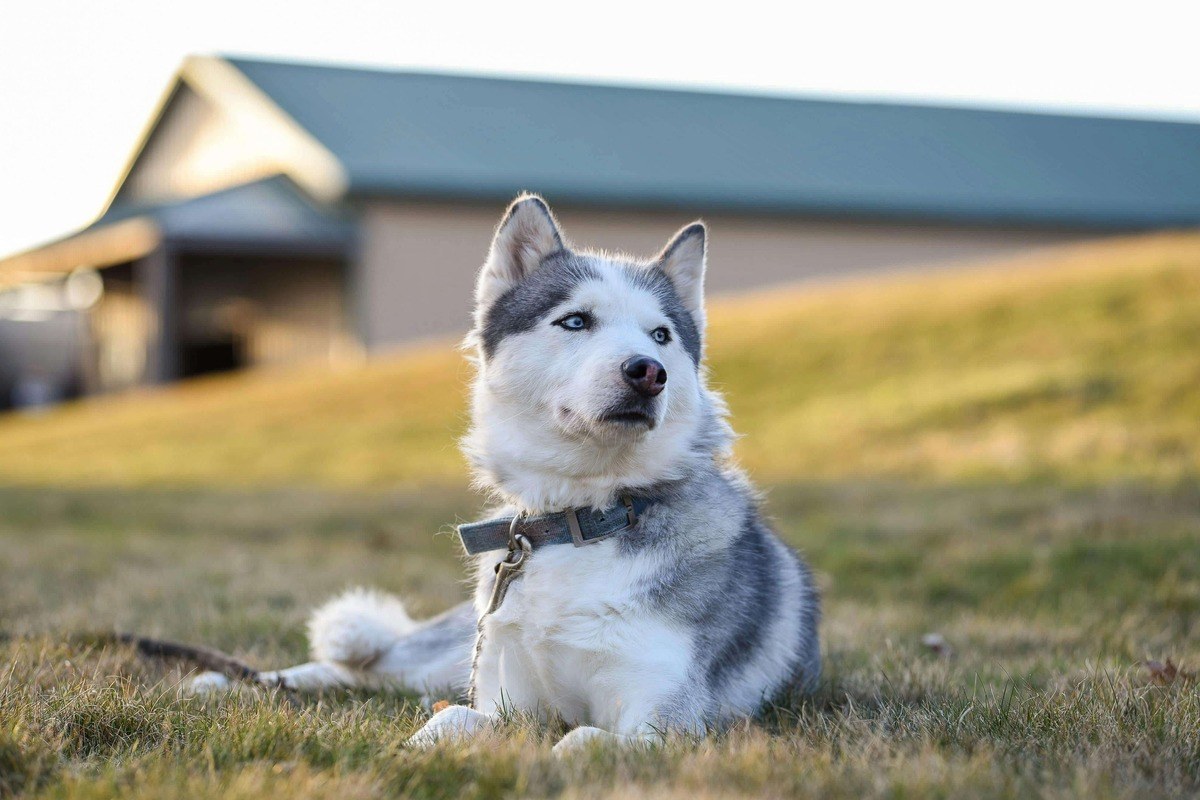
| Siberian Husky | about 24°C | Thick double coat, bred for snow |
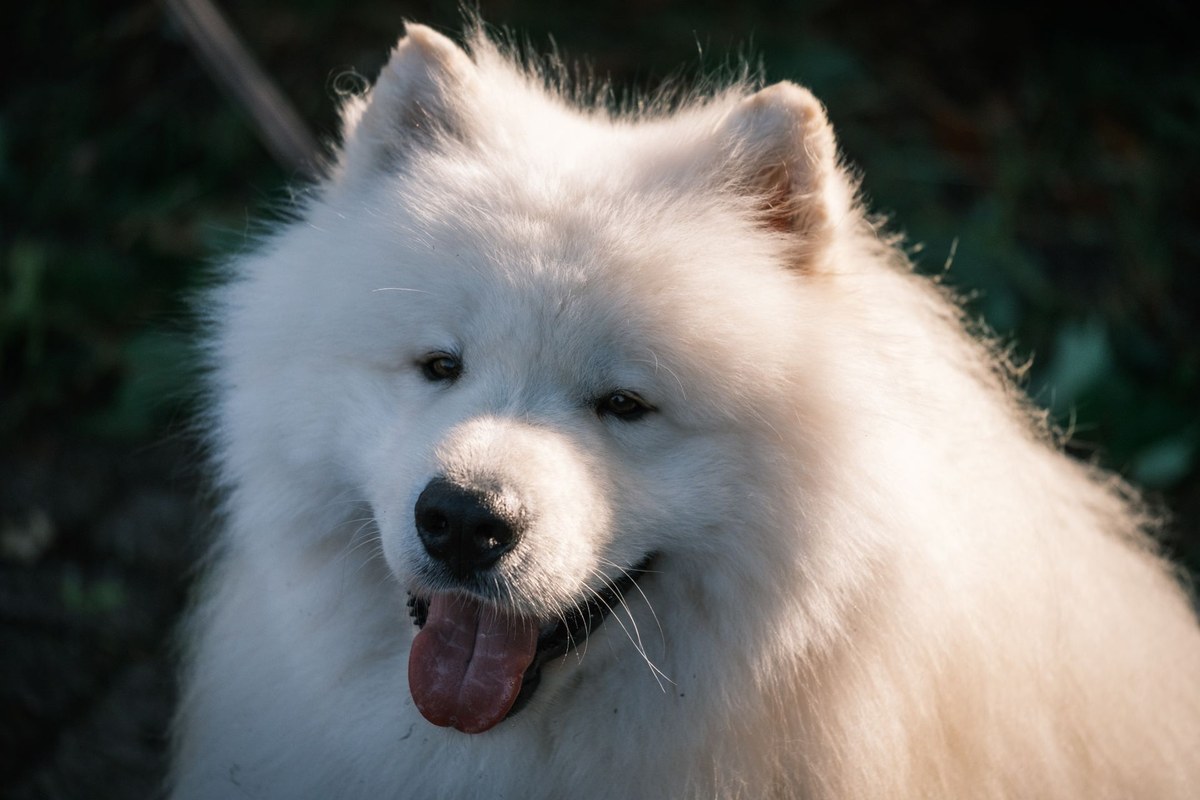
| Samoyed | about 24°C | Thick double coat, bred for snow |
| Pug | about 26°C, sooner in practice | Flat face, cannot pant efficiently |
| French Bulldog | about 26°C, sooner in practice | Flat face, compact heavy body |
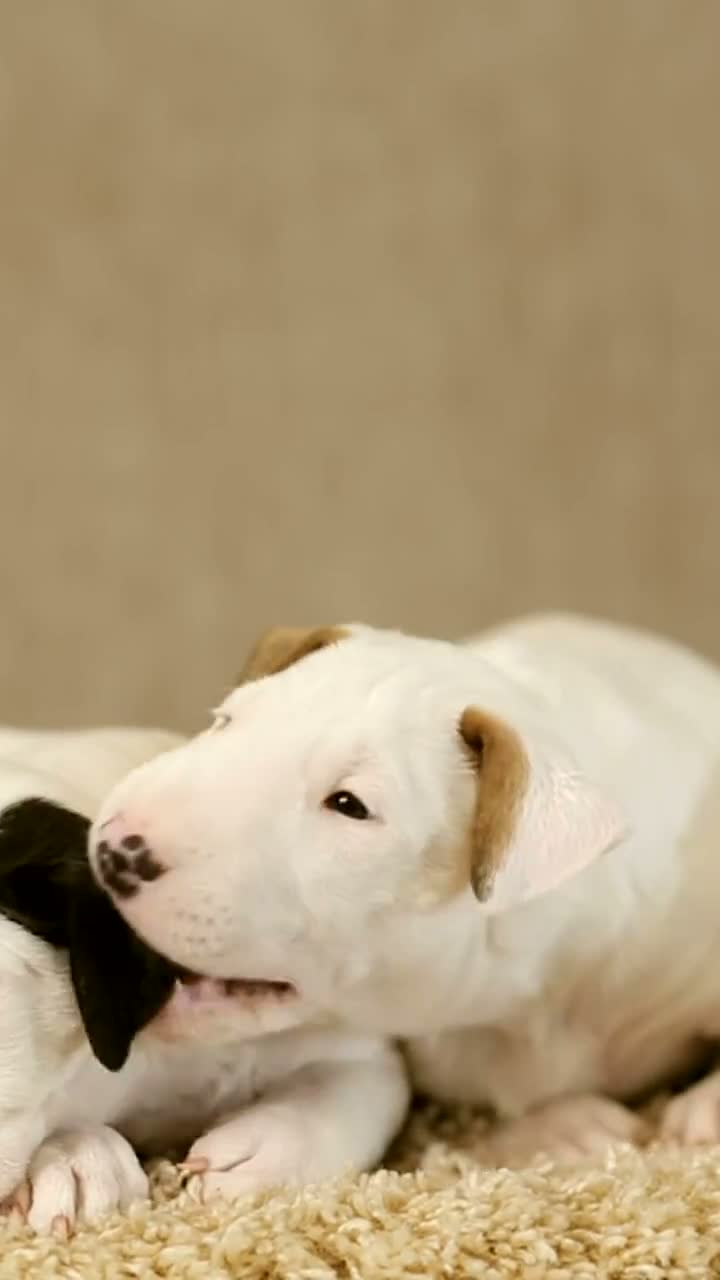
| Ecuadorian Bulldog | about 26°C, sooner in practice | Bulldog build, short muzzle |
| Boxer | about 27°C | Short muzzle, high energy |
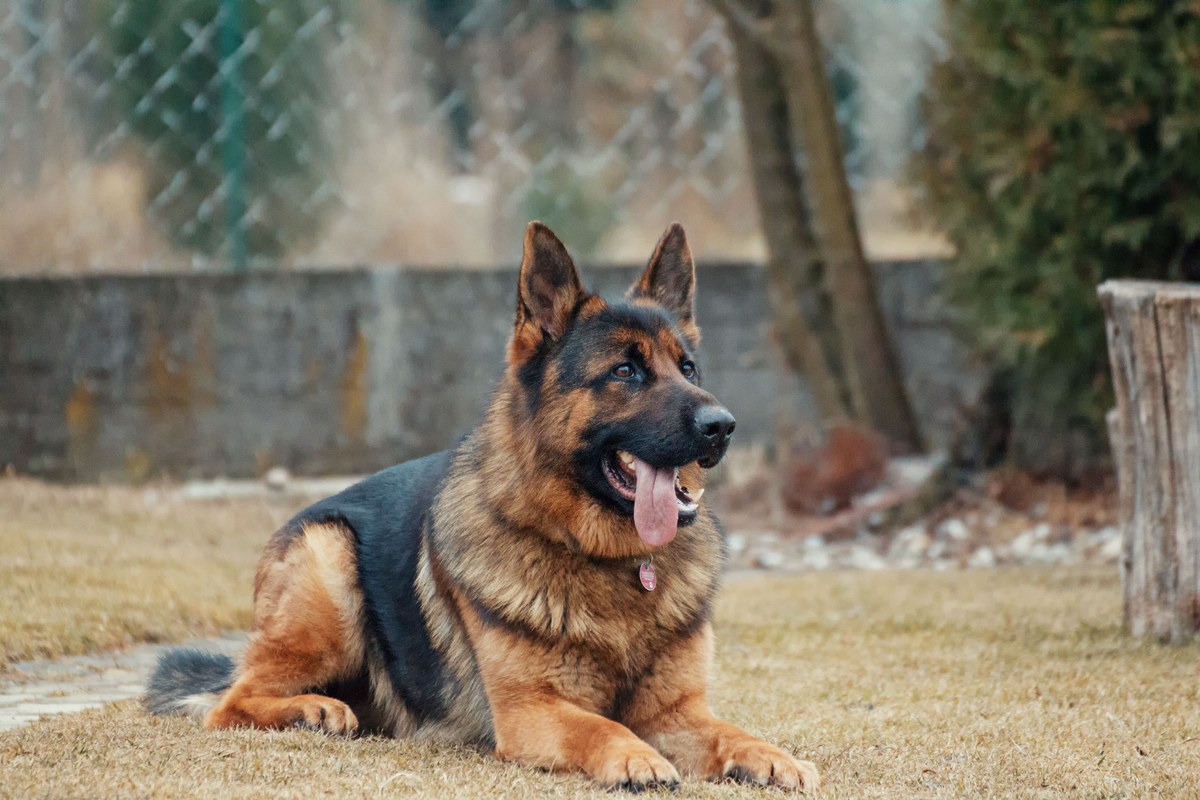
| German Shepherd | about 28°C | Dense double coat, large working dog |
| Border Collie | about 28°C | Dense double coat, will not slow itself down |
| Rottweiler | about 28°C | Big body, black coat soaks up sun |
| Golden Retriever | about 29°C | Long double coat |
| Corgi | about 29°C | Thick double coat, close to the hot ground |
| Labrador Retriever | about 31°C | Short double coat, hardy build |
| Beagle | about 31°C | Short coat, tough little hound |
| Poodle | about 31°C | Single coat, lean build |
Limits are our Breed Climate Checker's working estimates from coat, face shape, size and energy. Individual dogs vary, and a dog that is overweight or unwell reaches its limit sooner.
Related: Breed Climate Checker · Dog Breeds Ranked for Hot Climates · Siberian Husky Guide · All Petsarina tools
General care information only. This checker covers everyday walking decisions, not veterinary advice. If your dog seems unwell in the heat, talk to your vet. We never diagnose or treat.
FAQ
What temperature is too hot to walk a dog?
It depends on the breed, not on one magic number. On our scale a Husky or Samoyed should only be doing toilet breaks once the day reaches about 24°C, a German Shepherd at about 28°C, and a Labrador at about 31°C. Flat faced breeds like Pugs and French Bulldogs reach their limit sooner than their numbers suggest, because they cannot pant well.
Is 25°C too hot to walk a Husky?
For a real walk, yes. At 25°C a Husky is already past the point where its thick double coat starts to struggle, so keep outings to short, shaded toilet breaks and do the day's exercise early in the morning or after dark, when the air has cooled.
How hot does pavement get in the sun?
Far hotter than the air. On a sunny day of about 25°C, asphalt in direct sun can reach roughly 52°C, hot enough to burn paws. Use the seven second test: hold the back of your hand on the pavement for seven seconds. If it is too hot for your hand, it is too hot for paws.
When is the best time to walk a dog in summer?
Early morning and late evening. Before 7 in the morning and after 8 in the evening is the pattern that works in a hot summer, because the air and the ground have both cooled. Midday outings should be short toilet breaks in the shade, nothing more.
When should I stop a walk and head home?
Stop if the panting turns hard and loud, if your dog keeps lagging behind, sits down, or looks unsteady or confused. Move into shade, offer water, and let the dog cool down slowly. If your dog seems unwell in the heat, talk to your vet. In the Royal Veterinary College study of more than 900,000 dogs, most cases of heat illness followed exercise, and most of those followed a walk, so stopping early is always the right call.