Breed Climate Checker: Can This Dog Live in Your Heat?
Check a breed against your summer
Use the hottest part of a normal summer day where you live, not the coolest.
Your verdict
The care plan
Some breeds were built for snow, and some were built for warm fields, and a photo will not tell you which is which. Pick the breed, set your summer temperature, and tell us about your home. This checker gives you an honest verdict, and the care plan that goes with it.
How this checker works
Four things decide whether a breed fits your climate. The checker weighs all four, the same way we do in our breed guides.
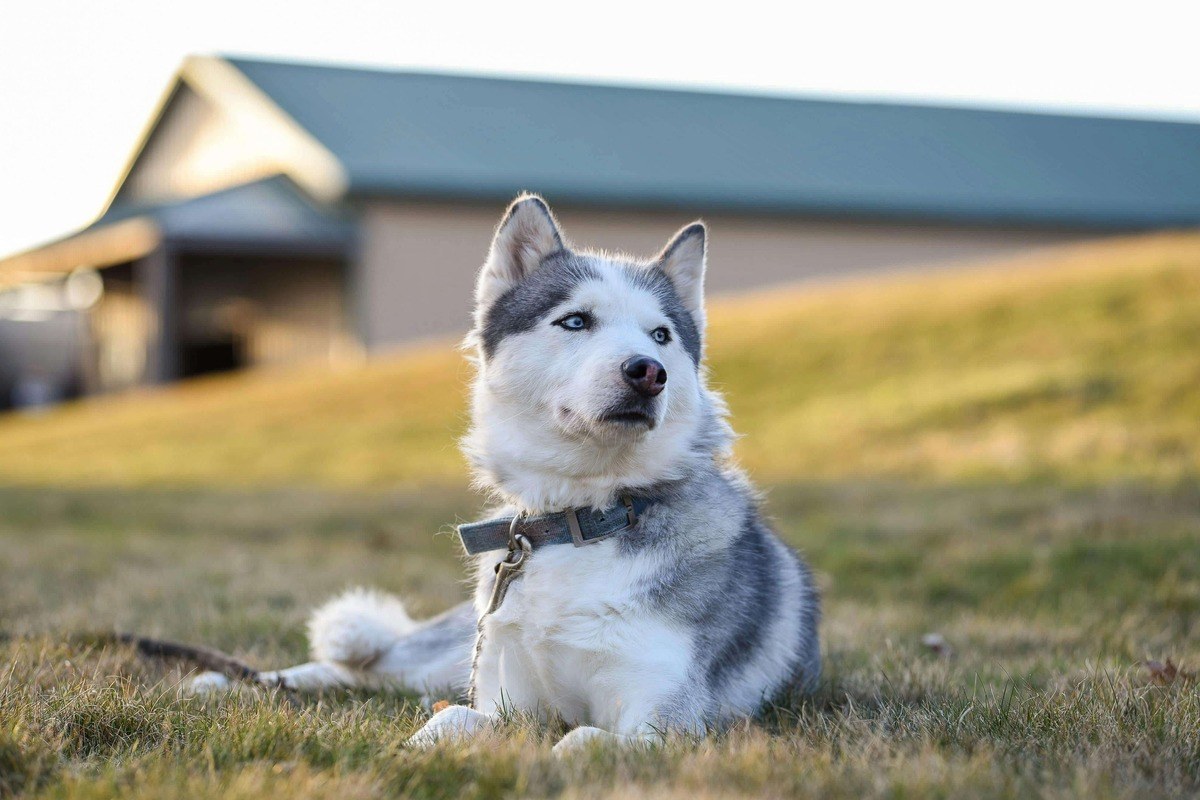
The coat. A thick double coat is a winter jacket the dog can never take off. It slows heat down on the way in, but it also slows cooling down. Short and single coats cope far better.
The face. Dogs cool themselves by panting. Flat faced breeds, like Pugs, French Bulldogs and bulldogs, cannot move air well, so heat builds up in them faster than in any long nosed breed.
The size and build. Big, heavy dogs and black coats soak up more heat and shed it more slowly. Small, lean dogs cope better.
Your setup. Air conditioning and an indoor life change the answer completely. A Husky in a cool flat is living in a different climate from a Husky in a hot yard, even on the same street.
One finding sits behind all of this. In a Royal Veterinary College study of more than 900,000 dogs, most cases of heat illness followed exercise, and most of those followed a walk. The dangerous moment is rarely the dog resting at home. It is the walk at the wrong hour, which is why walk times run through every plan this checker gives.
Every breed we cover, rated for heat
| Breed | Heat tolerance | Coat | Feels the heat from |
|---|---|---|---|
| Siberian Husky | Very low | Thick double coat | 24°C |
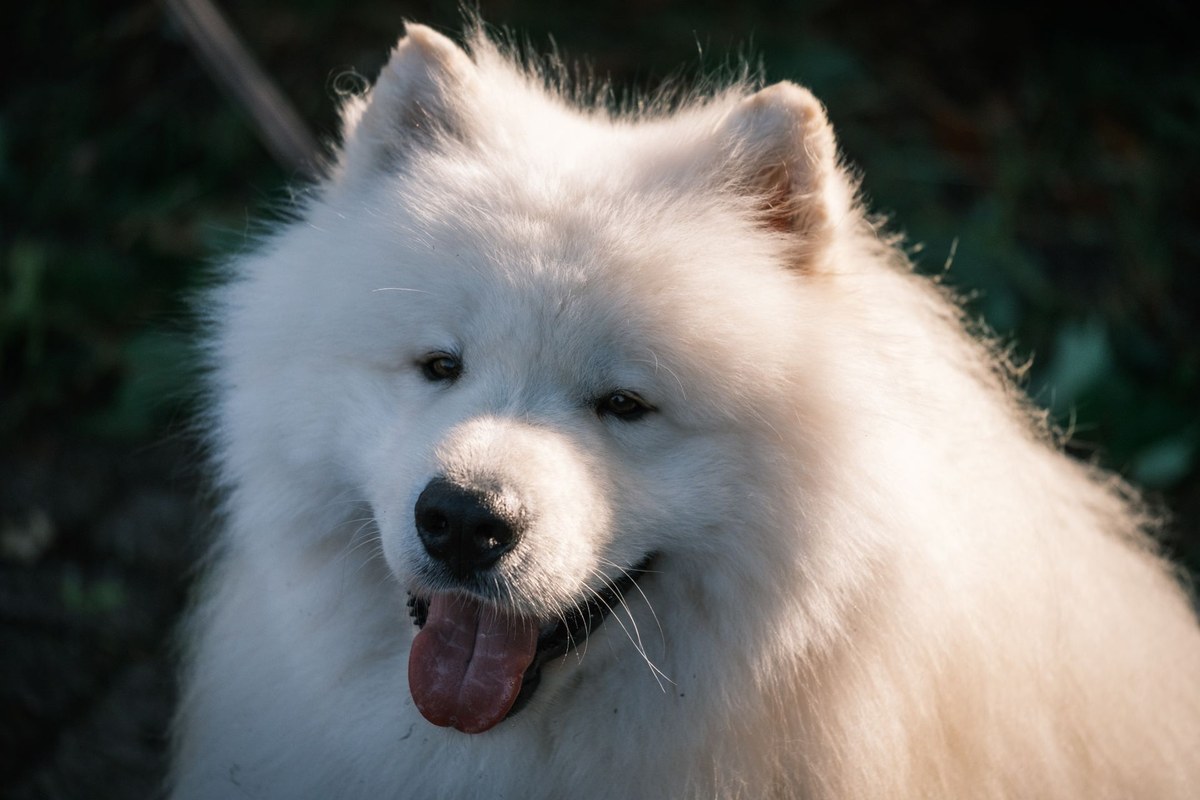
| Samoyed | Very low | Thick double coat | 24°C |
| Pug | Very low | Short coat, flat face | 26°C |
| French Bulldog | Very low | Short coat, flat face | 26°C |
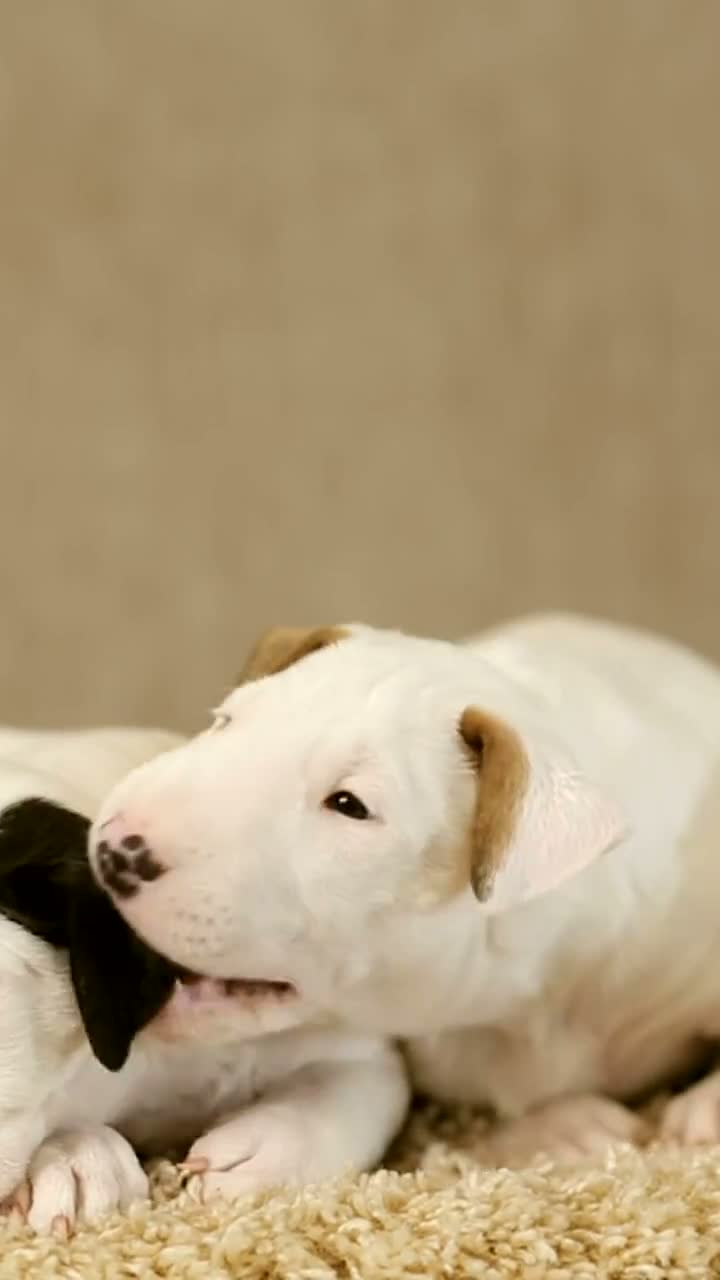
| Ecuadorian Bulldog | Very low | Short coat, flat face | 26°C |
| Boxer | Low | Short coat, short muzzle | 27°C |
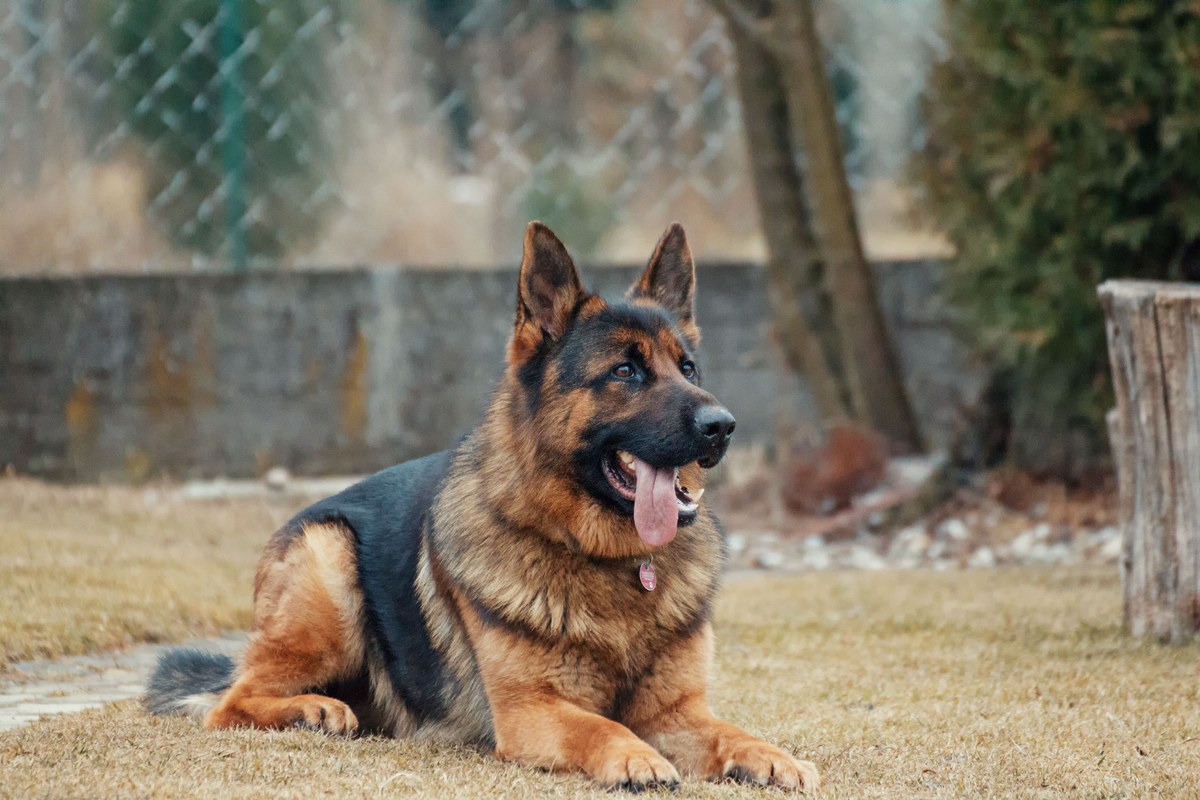
| German Shepherd | Low | Dense double coat | 28°C |
| Rottweiler | Low | Short double coat | 28°C |
| Border Collie | Low | Dense double coat | 28°C |
| Golden Retriever | Moderate | Long double coat | 29°C |
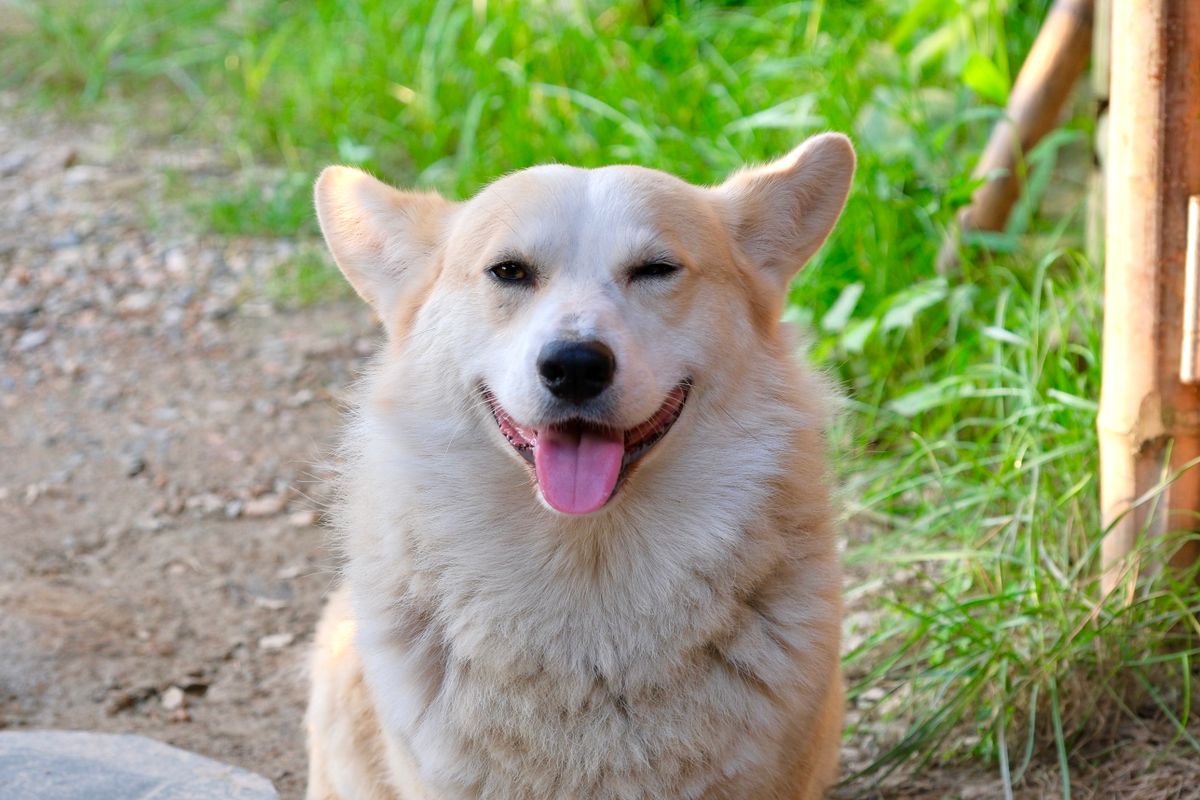
| Corgi | Moderate | Thick double coat | 29°C |
| Labrador Retriever | Good | Short double coat | 31°C |
| Beagle | Good | Short coat | 31°C |
| Poodle | Good | Single curly coat | 31°C |
Coat, size and build facts: AKC Siberian Husky breed page and the AKC breed pages for each breed above. Prefer the whole list on one page, with the reasons for every breed? See Dog Breeds Ranked for Hot Climates.
The rules that keep any dog safer in a hot summer
Walk at the cool hours. Before 7 in the morning and after 8 in the evening is the pattern that works in a hot summer. The middle of the day is for short toilet breaks in the shade, nothing more.
Never shave a double coat. It insulates against heat as well as cold, and shaving exposes the skin to the sun. Brush the loose undercoat out instead, and let air move through the coat.
For northern breeds, air conditioning is a need, not a luxury. If a Husky or Samoyed is coming into a hot home, the air conditioning is part of the cost of the dog, like food. Plan for power cuts too, with a cool room and a battery fan.
Water and shade are the floor, not the plan. Every dog needs both, all day. A dog that is still struggling with water and shade available needs a cooler room, not more of the same.
General care information only. This checker covers everyday care and comfort, not veterinary advice. If your dog seems unwell in the heat, talk to your vet. We never diagnose or treat.
Sources: AKC breed pages for coat, size and build facts, and the Royal Veterinary College VetCompass research on heat illness in dogs. Verdicts are our own honest judgement, built from the facts above.
FAQ
Can a Husky live in a hot country?
Yes, but only as an indoor dog with air conditioning through the summer, walks at dawn and after dark, and no real exercise in the heat of the day. Without air conditioning, a hot summer is honestly not fair to a Husky.
What temperature is too hot for a dog?
It depends on the breed. Most dogs start to feel the heat between 24 and 31 degrees, depending on coat, face shape and size. Flat faced breeds and thick double coats struggle first. Above 35 degrees, every breed needs the whole day planned around the heat.
Should I shave my Husky or Samoyed for summer?
No. A double coat insulates against heat as well as cold. Shaving removes that protection, exposes the skin to the sun, and the coat often grows back patchy. Brush out the loose undercoat instead.
Is a fan enough for a dog in summer?
A fan helps a dog that is already coping. At 35 degrees and above, moving hot air around does not cool a thick coated or flat faced breed enough. These dogs need a genuinely cool room.
Which breed on this site handles heat best?
Of the breeds we cover, the Beagle, the Poodle and the Labrador cope best with warm weather, thanks to shorter or single coats and adaptable builds. Even they need shade, water and cool hour walks in a hot summer.