Golden Retriever Guide: Temperament, Exercise, Grooming, Training & What to Buy
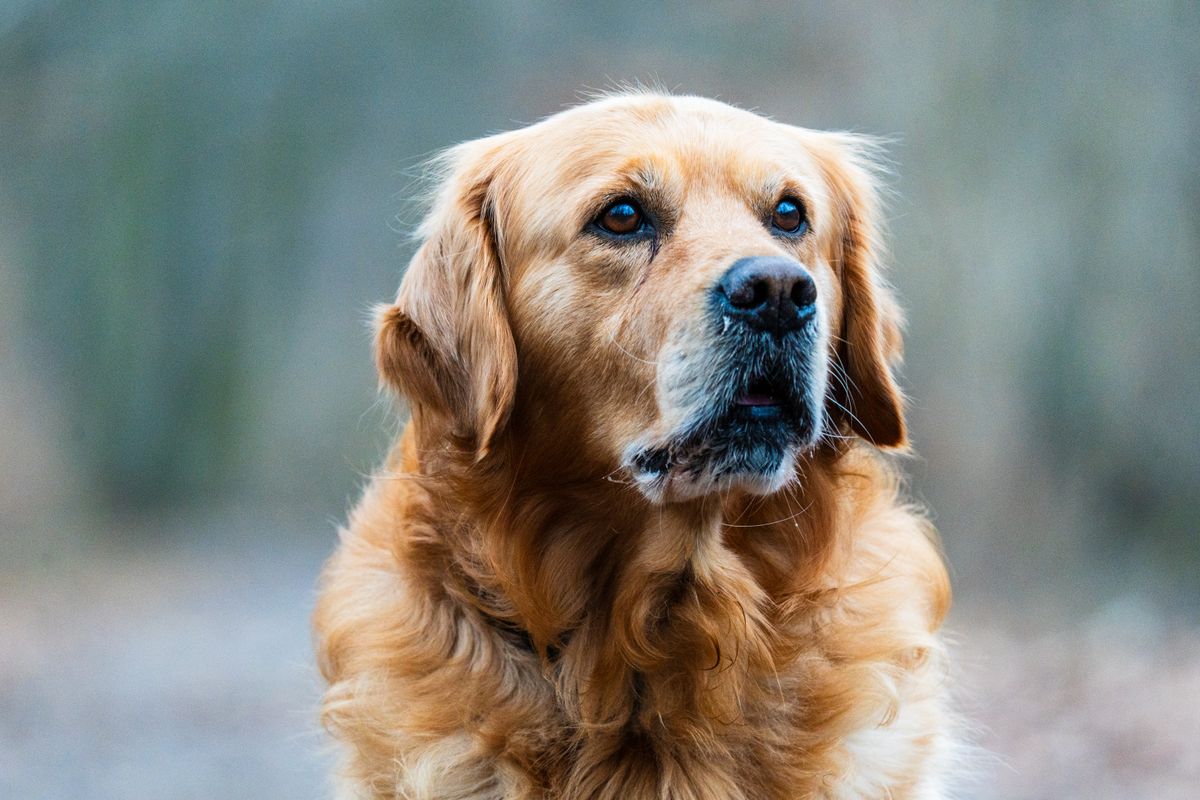
A Golden Retriever is a gentle, friendly, high-energy dog that wants to be near its people all day. It needs daily exercise, regular brushing for its long coat, and training that uses its love of retrieving. Few breeds are this easy to love, and few shed this much while doing it.
| Height | 21.5 to 24 in |
|---|---|
| Weight | 55 to 75 lb |
| Lifespan | 10 to 12 years |
| Coat | Dense, water-repellent double coat |
| Shedding | Moderate to heavy, year-round |
| Energy | High. Needs daily exercise and play |
Breed-standard figures: AKC Golden Retriever breed page.
The Golden Retriever was developed in Scotland in the 1800s, at the Guisachan estate, to retrieve game birds from land and water. That job shaped everything about the breed: a soft mouth that can carry an egg without breaking it, a thick coat that shrugs off cold water, and a deep need to work beside a person. Today Goldens are family dogs first, and they also work as guide dogs, therapy dogs, and search dogs all over the world. This guide tells you straight what a Golden really needs before you bring one home, and how to look after the one you already have.
On this page
Temperament: what a Golden Retriever is really like
Goldens are gentle, patient, and friendly to almost everyone. They love children, get along with other dogs and pets, and greet visitors with a wagging tail and a toy in their mouth. That open, trusting nature is why they do so well as therapy and service dogs. It also means they make poor guard dogs: a Golden is far more likely to befriend a stranger than to bark at one.
They are also deeply people-focused. A Golden wants to be in the same room as you, all day, every day. Left alone for long hours, they get bored and lonely, and a bored Golden chews, digs, and barks. If your days are long and the house is empty, this is the honest dealbreaker to know upfront.
Goldens stay puppy-like for a long time, often two to three years. Expect a bouncy, mouthy, excitable dog that carries everything it finds. They calm down with age, training, and enough exercise. Labradors are the closest match in temperament, friendly and eager in the same way, while Samoyeds are another friendly family breed, with far more coat to brush.
Exercise: how much is enough?
Plan on serious daily exercise: long walks plus fetch, swimming, or training games, every day. Goldens were bred to work all day in the field, and their bodies still expect it. A quick trip around the block is not enough for most adult Goldens.
Mix it up: walks, fetch, swimming, training sessions, and scent games all count. Retrieving is their joy, so a ball and an open field go a long way. Swimming is a Golden favourite and is gentle on joints. Mental exercise matters too. Ten minutes of training can tire a Golden out more than a half-hour walk.
Puppies are different: their joints are still developing, so keep exercise gentle and avoid forced running or jumping until your vet says they are ready.
Grooming and shedding
Golden Retrievers shed. A lot. They have a dense, water-repellent double coat with feathering on the legs, chest, and tail, and they shed year-round, with heavier shedding in spring and autumn. If you hate dog hair on your clothes and furniture, this is the honest dealbreaker to know upfront.
- Brushing: 2 to 3 times a week with a slicker brush, working through the feathering; daily during heavy shedding.
- Bathing: only when dirty. Too much bathing dries out the coat.
- Nails: trim every few weeks.
- Ears and teeth: check ears regularly, especially after swimming, and brush teeth as your vet advises.
A good vacuum is not optional with this breed. It is the single most useful household purchase for a Golden owner.
Feeding
Feed a complete, good-quality food suited to a large, active breed, and follow the feeding guide for your dog’s age and weight, then adjust with your vet. Goldens do well on measured meals (usually twice a day for adults) rather than food left out all day.
Count treats too. Training treats add up fast with a food-driven dog, so use small treats and count them as part of the daily food. Avoid sudden food changes: switch foods gradually over a week to avoid an upset stomach. Keep fresh water available at all times, and avoid feeding right before or after intense exercise.
Training
Start early and stay consistent. Goldens learn fast and want to please, which makes them one of the easiest breeds to train. Short, positive training sessions every day work better than one long session a week. Reward the behaviour you want; this breed responds best to praise, play, and treats.
Teach the basics first: recall, sit, stay, loose-leash walking, and “leave it.” Recall matters for a Golden, because a Golden that spots water or a ball will go for it. Then give them harder work: retrieving games, scent work, agility, or therapy training. A trained Golden is a joy; an untrained one is a 70-pound puppy that carries your shoes away.
What to buy for a Golden Retriever
These are the kinds of products that suit this breed. We add specific picks with links as our product roundups come out.
- A strong no-pull harness. A large, powerful dog needs control without choking.
- A slicker brush and a good vacuum. The shedding is real, and the right tools make it manageable.
- A large, sturdy crate, sized for an adult Golden, for safe rest and travel.
- Durable chew toys and a ball for fetch. Cheap toys do not survive this jaw, and fetch is a Golden’s favourite game.
- High-quality large-breed food, matched to age and activity, chosen with your vet.
Related: Labrador Retriever Guide · Beagle Guide · Samoyed Guide
General care information only. This guide covers everyday care, not veterinary advice. For anything about your dog’s health, talk to your vet. We never diagnose or treat.
Sources: AKC: Golden Retriever breed standard. Breed-standard height, weight and lifespan figures on this page come from the AKC.
FAQ
Are Golden Retrievers good for first-time owners?
Yes. They are friendly, eager to please, and forgiving, which makes them one of the best first dogs. They still need daily exercise, brushing, and training, so the work is real, just rewarding.
Do Golden Retrievers shed a lot?
Yes. They shed year-round, with heavier shedding in spring and autumn. Brush a few times a week to keep the coat tidy and the hair off the sofa.
Are Golden Retrievers good with kids?
Usually yes. Goldens are famously patient and gentle with children, and they love to play. Supervise play with small children anyway, because a big, bouncy Golden can knock a little one over.
How much exercise does a Golden Retriever need?
Serious daily exercise: long walks plus fetch, swimming, or training games, every day. Retrieving is their joy, so a ball and an open field go a long way.