Coat Blow Calendar: When Will Your Dog Blow Its Coat?
Your breed, your half of the world
Your coat blow windows
The grooming plan
A double coat does not shed evenly through the year. Twice a year it lets go in bulk, once in spring and once in autumn, and those two blows are set by the length of the day, not by the temperature. This calendar works out when they fall for your breed in your half of the world, and what grooming each one needs.
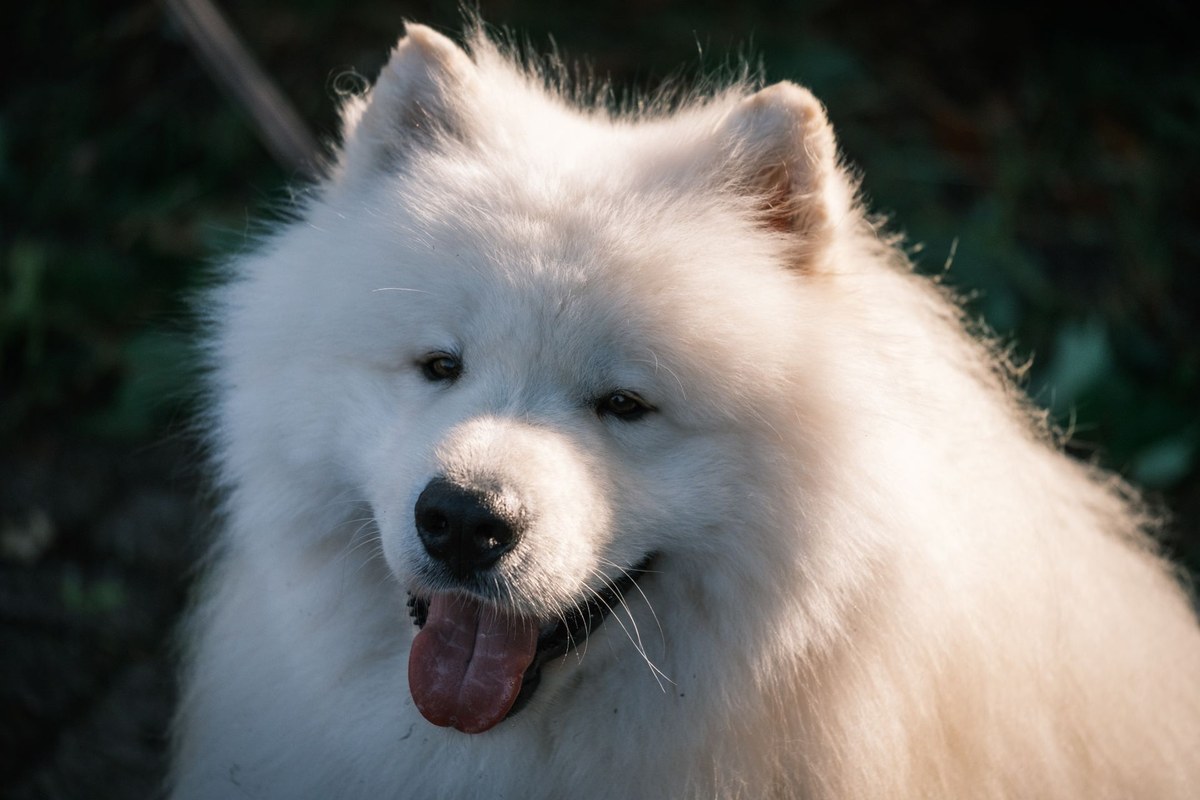
How the coat blow works
Day length is the trigger. A double coated dog reads the changing light, not the thermometer. Longer spring days tell the body to drop the winter undercoat. Shorter autumn days tell it to clear room for a new one. This is why two dogs in different climates blow their coats in the same weeks, and why the Southern Hemisphere runs six months opposite.
Spring is the big one. The winter coat is the thickest coat of the year, so the spring blow is heavier and longer. Autumn is a smaller clear out. Between the blows, a double coat still sheds a little every week, it just does not arrive in handfuls.
Warm homes blur the calendar. A dog that lives indoors under lights, in a home that feels like the same season all year, gets a weaker signal. These dogs often shed lightly all year and blow more gently, over more weeks. Dogs in warm countries do the same. The windows still come, they are just softer at the edges.
Brushing is the whole job. The dead undercoat has to come out, and it can come out on a brush or on your sofa. Daily short sessions during a blow beat one long battle, and a bath at the start of a blow loosens the coat so it brushes out faster.
Our breeds by coat, at a glance
| Coat type | Breeds | What to expect |
|---|---|---|
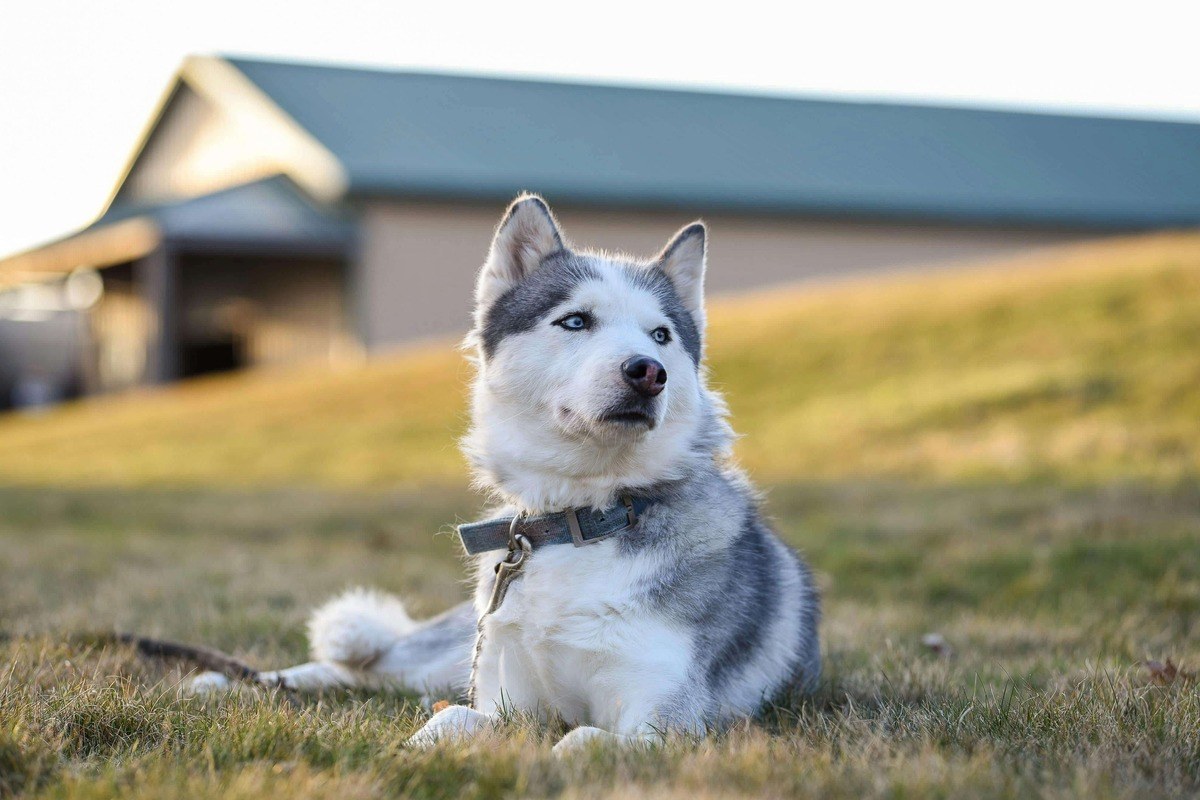
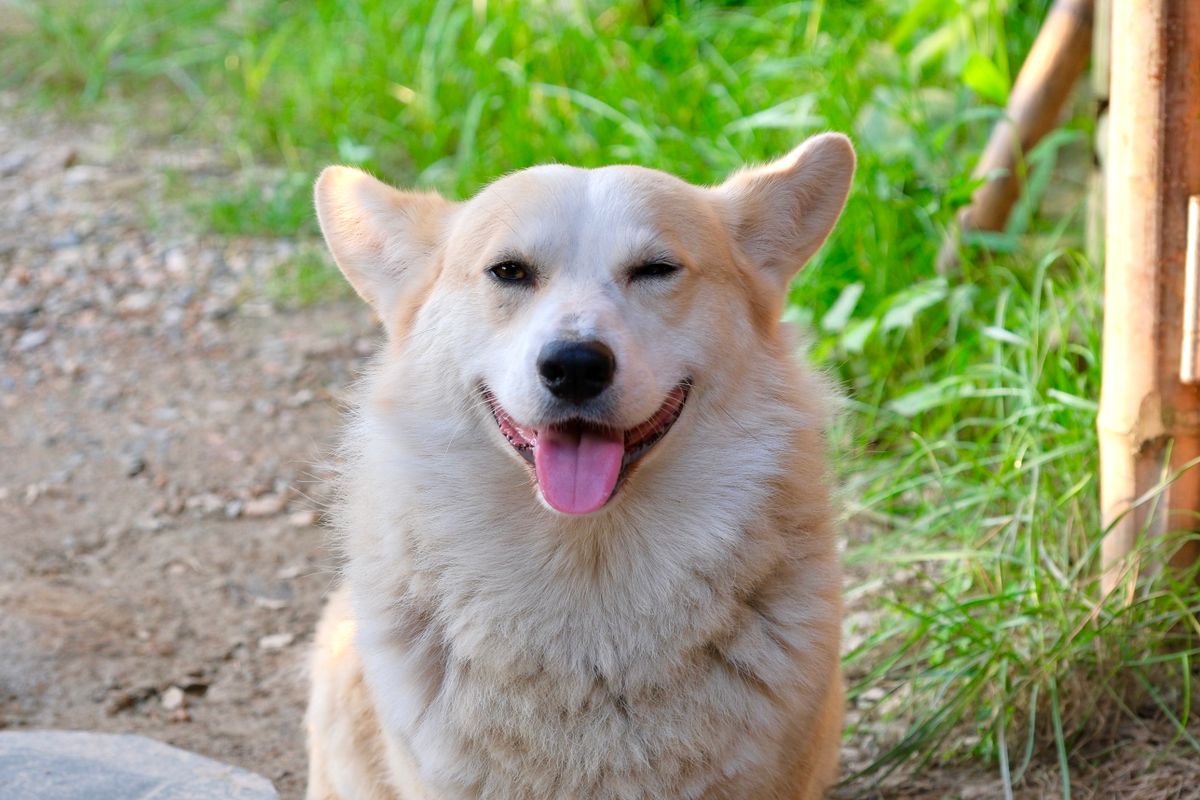
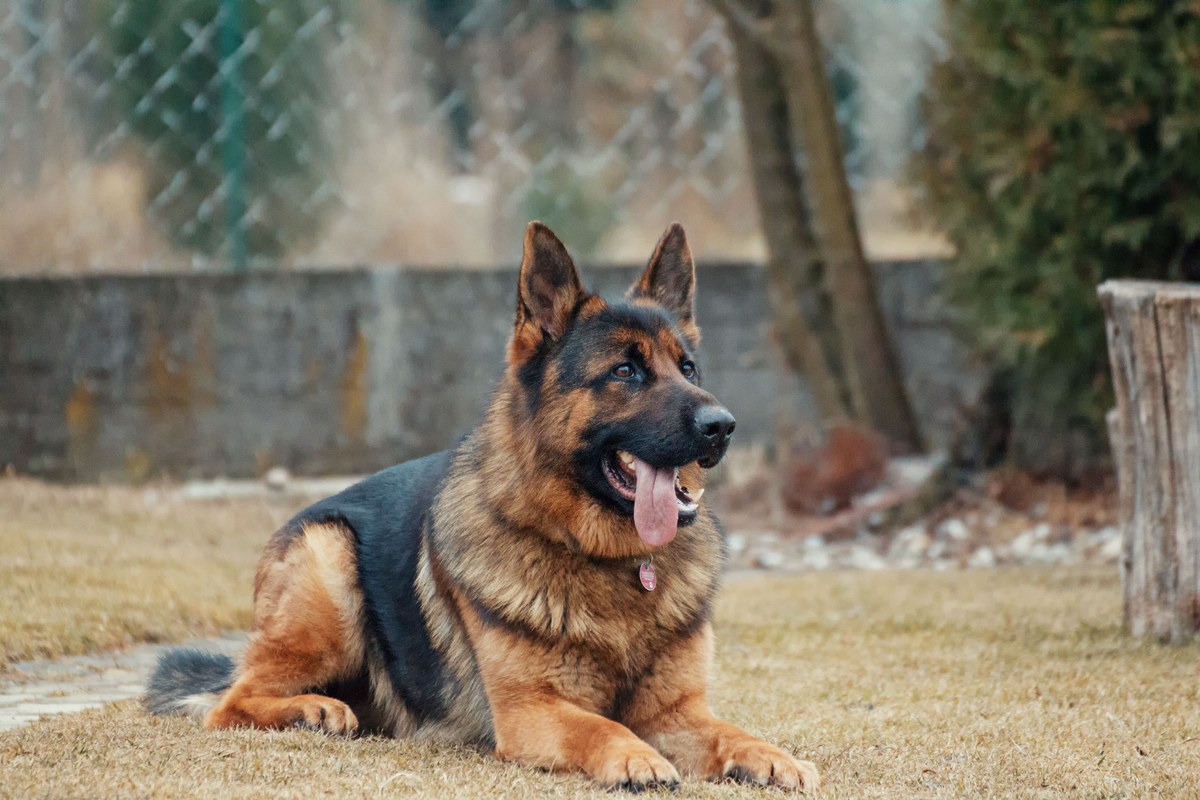
| Heavy double coat | Siberian Husky, Samoyed, German Shepherd, Golden Retriever, Border Collie, Corgi | Two real blows a year, spring the biggest, plus steady weekly shedding |
| Moderate double coat | Labrador Retriever, Rottweiler, Beagle | A clear spring blow, a lighter autumn one, shedding all year |
| Short coat | Pug, French Bulldog, Boxer, Ecuadorian Bulldog | No true blow, just year round shedding with a heavier patch in spring |
| Single curly coat | Poodle | No blow and very little shedding, the coat keeps growing and needs clipping instead |
Coat facts: AKC breed pages for each breed above, and our own breed guides.
General care information only. This calendar covers normal seasonal shedding and everyday grooming, not veterinary advice. Shedding that comes with bald patches, itching, sores or a dull, broken coat is a different matter: talk to your vet. We never diagnose or treat.
FAQ
What makes a dog blow its coat?
Day length, not temperature. As the days grow longer in spring, a double coated dog sheds its thick winter undercoat. As the days shorten in autumn, it sheds again to make room for the winter coat. That is why the calendar follows the seasons and why the Southern Hemisphere runs six months opposite to the north.
How long does a coat blow last?
The spring blow usually runs 4 to 6 weeks in a heavy double coat like a Husky or a Samoyed, and the autumn blow 3 to 4 weeks. Lighter double coats finish faster. Brushing a little every day shortens the messy part, because the dead coat comes out on the brush instead of on your floor.
My Husky sheds all year. Is that normal?
Yes, in a warm climate or an indoor life it is very common. Dogs that live under artificial light and steady indoor temperatures get a blurred signal, so they shed some coat all year and still have two heavier blows. The windows from this calendar still apply, they are just softer at the edges.
When does a Samoyed blow its coat in Australia?
Six months opposite to Europe and North America. The big spring blow falls around September to November, and the autumn blow around March to May. Pick Southern Hemisphere in the calendar above and it works the windows out for you.
Should I shave the coat off to get the blow over with?
No. A double coat insulates against heat as well as cold, and shaving removes that protection, exposes the skin to the sun, and often grows back patchy. Brush the loose undercoat out instead. It is slower, but it is the way the coat is meant to be handled.