Beagle Guide: Temperament, Exercise, Grooming, Training & What to Buy
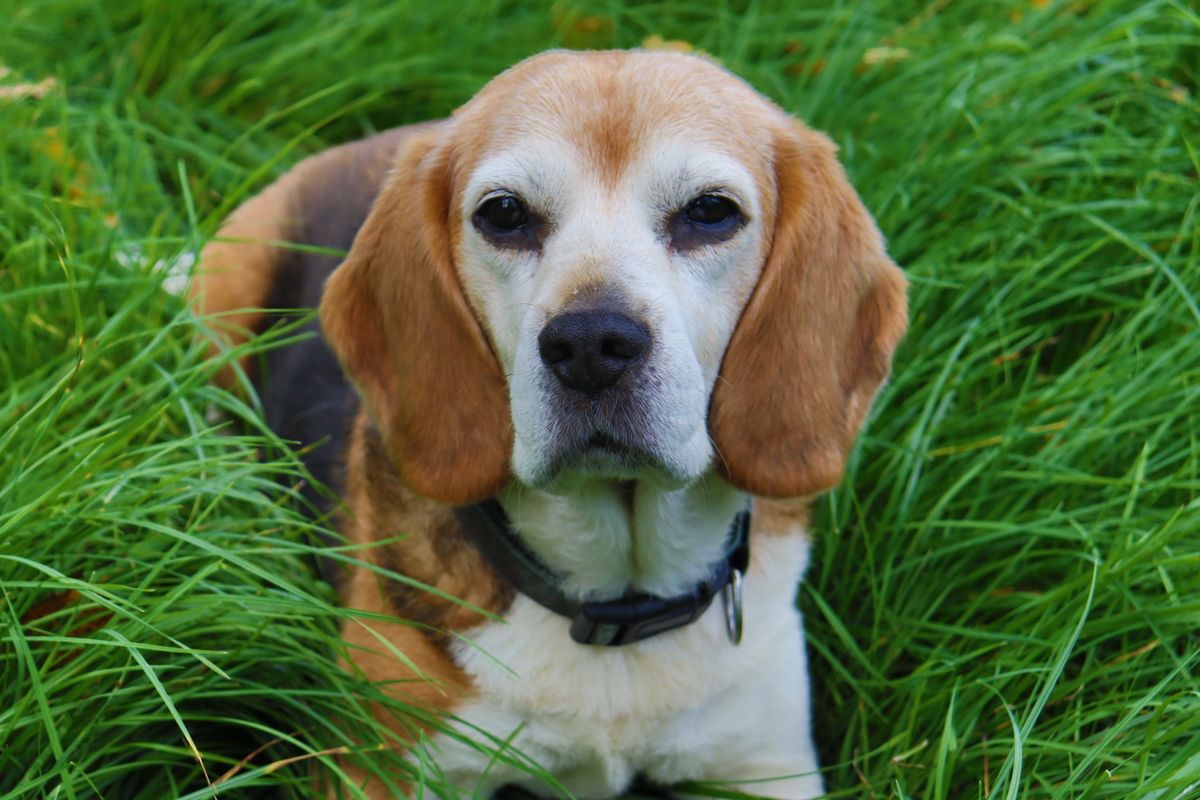
A Beagle is a merry, curious, medium-energy hound that follows its nose everywhere. It is small, sturdy, and wonderful with families, but it bays, wanders, and needs patient training. If you can laugh at a stubborn little nose on legs, this is your dog.
| Height | 13 to 15 in |
|---|---|
| Weight | 20 to 30 lb |
| Lifespan | 10 to 15 years |
| Coat | Short, dense |
| Shedding | Moderate, year-round |
| Energy | Medium to high. Needs daily exercise and scent games |
Breed-standard figures: AKC Beagle breed page.
Beagles were bred in England to hunt in packs, following scent on the ground for hours. That history is still in every Beagle alive today: the nose rules, the voice carries, and company matters. The AKC recognises two varieties, the 13-inch Beagle (under 13 inches tall, under 20 pounds) and the 15-inch Beagle (13 to 15 inches tall, 20 to 30 pounds). Same dog, same temperament, just two sizes. This guide tells you straight what a Beagle really needs before you bring one home, and how to look after the one you already have.
On this page
Temperament: what a Beagle is really like
Beagles are merry, curious, and funny. They love people, love children, and were bred to live and work in packs, so they hate being alone. A Beagle left alone all day will bay, chew, and dig out of boredom and loneliness. If your days are long and the house is empty, that is the honest dealbreaker to know upfront.
They are also stubborn in a cheerful way. A Beagle hears you, understands you, and then decides the smell on the ground matters more. That is not disobedience for its own sake: the nose is simply stronger than the ears. Training a Beagle takes patience, humour, and very good treats.
And they are loud. Beagles bay and howl when excited, bored, or on a scent, and the sound carries. In a flat with thin walls or a neighbourhood that values quiet, think twice. Labradors are easier to train and quieter, while Huskies are escape artists too, and for the same reason: a strong nose and a wandering mind.
Exercise: how much is enough?
Plan on real daily exercise: long walks plus play and scent games, every day. Beagles are smaller than Labs and Goldens, but they were bred to follow a scent for hours, so they have more stamina than they look. A quick trip around the block is not enough.
Mix it up: walks, scent games, puzzle feeders, and training sessions all count. Hide treats around the house or garden and let the nose do the work. Ten minutes of scent work can tire a Beagle out more than a half-hour walk.
Keep a Beagle on a lead in open spaces unless your recall is rock solid. Once a Beagle catches a scent, it follows it, and fences and roads mean nothing to a nose. A secure garden with a proper fence is a must.
Grooming and shedding
Beagles are one of the easiest breeds to groom. They have a short, dense coat that sheds moderately year-round, and a weekly brush is usually enough. If you want a low-maintenance coat, this is the breed for you.
- Brushing: once a week with a rubber grooming mitt or a soft bristle brush.
- Bathing: only when dirty. Too much bathing dries out the coat.
- Nails: trim every few weeks.
- Ears and teeth: check those long, floppy ears regularly and keep them clean and dry, and brush teeth as your vet advises.
The ears deserve attention. Long, floppy ears trap warmth and moisture, so check them weekly and wipe them clean as your vet shows you.
Feeding
Feed a complete, good-quality food suited to a medium, active breed, and follow the feeding guide for your dog’s age and weight, then adjust with your vet. Beagles do well on measured meals (usually twice a day for adults) rather than food left out all day.
Watch the waistline. Beagles love food as much as Labs do, and they gain weight fast on too many treats. Use small training treats and count them as part of the daily food. Avoid sudden food changes: switch foods gradually over a week to avoid an upset stomach. Keep fresh water available at all times.
Training
Start early and stay patient. Beagles learn, but on their own schedule, and food is the best motivator there is. Short, fun, positive training sessions every day work better than one long session a week. Reward the behaviour you want; this breed responds best to praise, play, and treats.
Teach the basics first: recall, sit, stay, loose-leash walking, and “leave it.” Recall matters more for a Beagle than for most breeds, because a Beagle that catches a scent will follow it. Practice recall in a safe, fenced area first, and build up slowly. Then give them harder work: scent games and tracking are a Beagle’s joy, and they use the nose the way it was meant to be used.
What to buy for a Beagle
These are the kinds of products that suit this breed. We add specific picks with links as our product roundups come out.
- A secure harness and a long training lead. A scent-driven dog needs control on walks and safe recall practice.
- A rubber grooming mitt. The coat is easy, and a weekly brush keeps shedding under control.
- A sturdy crate, sized for a Beagle, for safe rest and travel.
- Puzzle feeders and scent games. A Beagle’s nose needs work, and puzzle toys keep a clever hound busy.
- High-quality medium-breed food, matched to age and activity, chosen with your vet.
General care information only. This guide covers everyday care, not veterinary advice. For anything about your dog’s health, talk to your vet. We never diagnose or treat.
Sources: AKC: Beagle breed standard. Breed-standard height, weight and lifespan figures on this page come from the AKC.
FAQ
Are Beagles good for first-time owners?
They can be, if you are patient. Beagles are friendly and cheerful, but they are also stubborn and scent-driven, so training takes longer than with a Lab or Golden. A first-timer with patience and a sense of humour does fine.
Do Beagles shed a lot?
Moderately. They have a short coat and shed year-round. A weekly brush keeps it under control, and the coat is easy to care for.
Are Beagles good with kids?
Usually yes. Beagles are sturdy, playful, and famously tolerant with children. Supervise play with small children, as with any dog.
Do Beagles bark a lot?
They bay and howl more than they bark, and they do it when excited, bored, or on a scent. Daily exercise and training help, but a Beagle will never be a quiet dog.