German Shepherd vs Siberian Husky: Which Dog Fits Your Life?
There is no better dog here, only a better fit. The German Shepherd is a loyal, trainable protector that needs a job. The Husky is a friendly, funny runner that needs miles, a tall fence, and patience for shedding and talking. Pick the Shepherd for training and guarding. Pick the Husky for running and laughs.
| German Shepherd | Siberian Husky | |
|---|---|---|
| Size | 22 to 26 in, 50 to 90 lb | 20 to 24 in, 35 to 60 lb |
| Lifespan | 9 to 13 years | 12 to 14 years |
| Temperament | Loyal, protective, reserved with strangers | Friendly, stubborn, vocal |
| Energy | High | Very high, bred to run for miles |
| Exercise | Serious daily exercise, walks plus play and training | Long daily exercise, running and hiking |
| Shedding | Heavy year-round, two heavier seasons | Heavy, huge seasonal shed twice a year |
| Training | Learns fast, lives to work | Bored fast, recall unreliable |
| Guarding | Excellent watchdog | Poor guard dog, greets strangers like friends |
Breed-standard figures: AKC German Shepherd Dog breed page and AKC Siberian Husky breed page.
These two are both beautiful, smart, high-energy dogs, and they could not be more different to live with. The Shepherd wants a job and a person to protect. The Husky wants to run, dig, escape, and tell you all about it. This comparison puts them side by side, honestly, so you can pick the one that fits your life, not just the one that looks best in a photo.
On this page
Temperament
The German Shepherd bonds deeply with its people. It is confident, alert and protective of its family, and reserved, not instantly friendly, with strangers. That makes it an excellent watchdog, and it also means early, ongoing socialization matters.
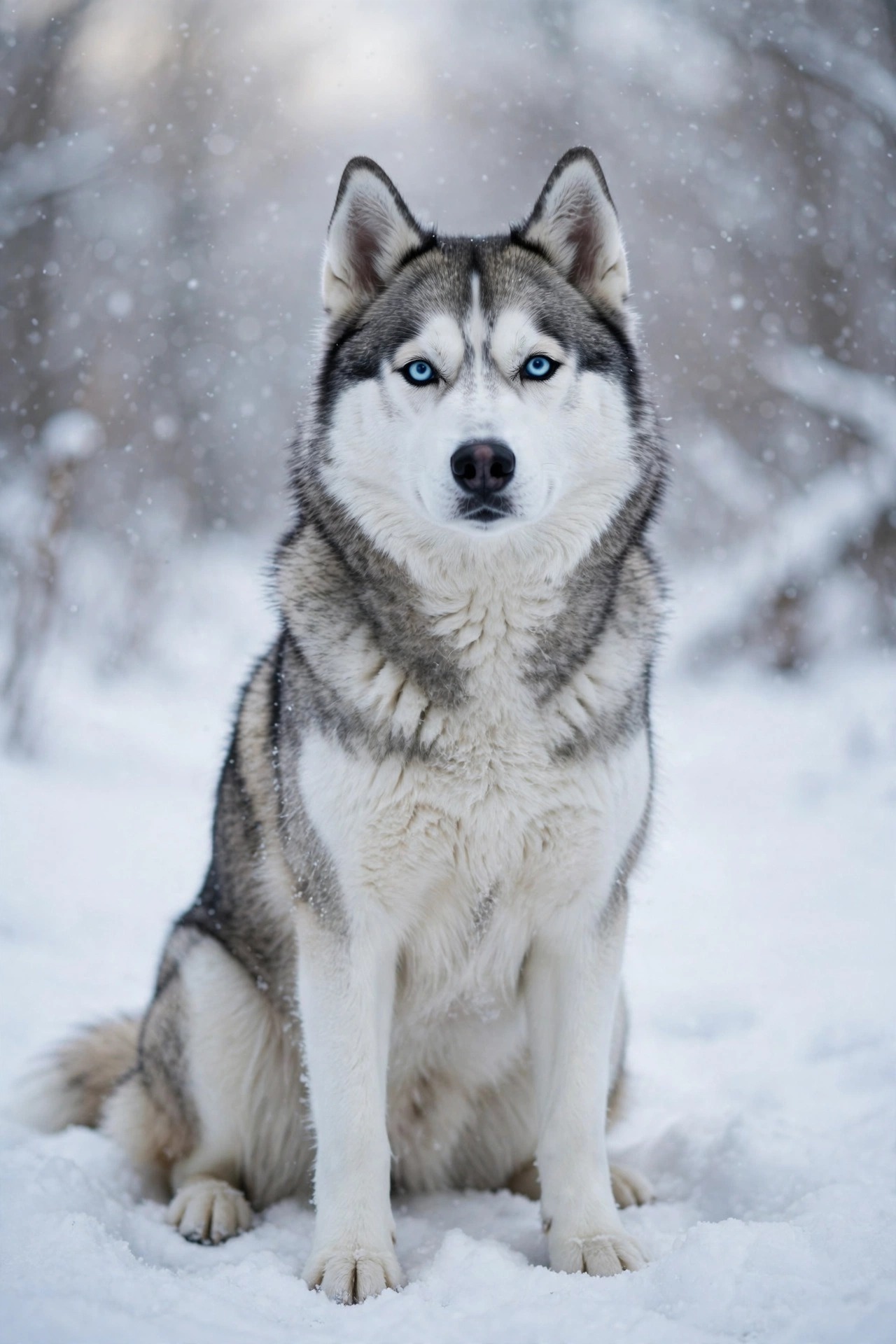
The Husky is the opposite socially: friendly and outgoing, with people, with other dogs, and often with complete strangers. It is also famously stubborn and famously vocal. Huskies howl, “talk,” and argue back. Owners either find this hilarious or exhausting. There is no middle ground.
Both are usually good with children when well socialized. Both are large, strong dogs, so supervise play with small children. And both hate being bored: a bored Shepherd chews and digs, and a lonely Husky is a loud, destructive Husky.
Exercise
Both breeds need serious daily exercise, but the Husky needs more. A German Shepherd needs long walks plus play or training, every day. A quick trip around the block is not enough for most adult Shepherds, and mental exercise matters as much as physical: ten minutes of training can tire a Shepherd out more than a half-hour walk.
For a Husky, a walk around the block is a warm-up, not exercise. Huskies were bred to pull sleds for miles in the snow. Plan on long daily exercise: running, hiking, and real distance. An under-exercised Husky will exercise itself: on your furniture, your garden, and your fence.
Both love the cold and struggle in the heat. In warm weather, exercise early or late in the day and watch for overheating. Read the full exercise notes in our German Shepherd guide and our Siberian Husky guide.
Shedding and grooming
Neither breed is for you if you hate dog hair. The Shepherd has a dense double coat and sheds year-round, with heavier shedding seasons twice a year. Brushing 2 to 3 times a week with a de-shedding tool or slicker brush keeps it manageable, daily during heavy shedding. A good vacuum is not optional with this breed.
The Husky has a thick double coat too, and twice a year it “blows” the undercoat, and the fur comes out in handfuls. The good news: the coat is easy to care for between those big sheds, and Huskies are famously clean dogs with little doggy smell.
If shedding is your dealbreaker, neither breed will make you happy. Samoyeds shed heavily too, with even more brushing.
Training
This is the biggest difference between the two. German Shepherds learn fast, including bad habits, and they live to work. Short, positive training sessions every day work best, then harder work: obedience, tracking, agility or scent games. A trained Shepherd is a joy; an untrained one is a handful.
Huskies are smart too, but they get bored fast with repetition, so vary the exercises and train in different places. Keep sessions short and fun, and reward generously. And know this before you bring one home: recall is unreliable. Most owners say no to off-leash walks, or only in secure enclosed areas, because the running instinct and prey drive beat recall too often to risk it near roads.
Escaping and guarding
Huskies are escape artists. They dig under fences, jump over them, and open gates and doors that other dogs never notice. If your garden fence is low or has gaps, a Husky will find them. A tall, secure fence is not optional with this breed.
The Shepherd does not have the same reputation for escaping. Its problem is different: a bored Shepherd is a destructive Shepherd, and that means chewing, digging and barking at home, not running away.
On guarding, the two are opposites. The Shepherd is an excellent watchdog: alert, protective, and reserved with strangers. The Husky is a poor guard dog, because it greets strangers like friends. Do not get a Husky for guarding: yours will probably show the burglar where the treats are.
Feeding
Feed a complete, good-quality food suited to the breed, in measured meals, and follow the feeding guide for your dog’s age and weight. The Shepherd is a large, active breed, usually fed twice a day as an adult. The Husky is a medium, very active breed, and an efficient eater: Huskies often need less food than you would expect for their energy, so measure meals and adjust with your vet instead of guessing.
Which one should you choose?
Choose the German Shepherd if you want a loyal protector that lives to train and work, and you are ready for daily exercise and training. It is the better first dog of the two, if you are committed.
Choose the Siberian Husky if you want a friendly, funny running partner, you have a tall secure fence, and you can laugh at shedding, digging and talking. It is the better pick if you run or hike every day and want a dog that keeps up.
Choose neither, for now, if you want a calm, low-energy dog, or you live in a small flat with no garden and no time for long daily exercise. And if you want something calmer and fluffier, read our Samoyed guide before you decide.
Related: German Shepherd Guide · Siberian Husky Guide · Samoyed Guide
General care information only. This comparison covers everyday care, not veterinary advice. For anything about your dog’s health, talk to your vet. We never diagnose or treat.
Sources: AKC: German Shepherd Dog breed standard and AKC: Siberian Husky breed standard. Breed-standard height, weight and lifespan figures on this page come from the AKC.
FAQ
Which is easier to train, a German Shepherd or a Husky?
The German Shepherd, by a long way. Shepherds live to work and learn fast. Huskies get bored fast with repetition, and their recall is unreliable.
Which sheds more, a German Shepherd or a Husky?
Both shed heavily. The Shepherd sheds year-round with two heavier seasons. The Husky blows its undercoat twice a year, and the fur comes out in handfuls.
Which is better with kids, a German Shepherd or a Husky?
Both are usually good with children when well socialized. Supervise play with small children, as with any medium-large, high-energy dog.
Which is better for first-time owners, a German Shepherd or a Husky?
The German Shepherd, if you are ready for daily exercise and training. The Husky is usually not a good first dog: it needs a lot of exercise, it is vocal, and it gets bored fast.