Rottweiler Guide: Temperament, Exercise, Grooming, Training & What to Buy
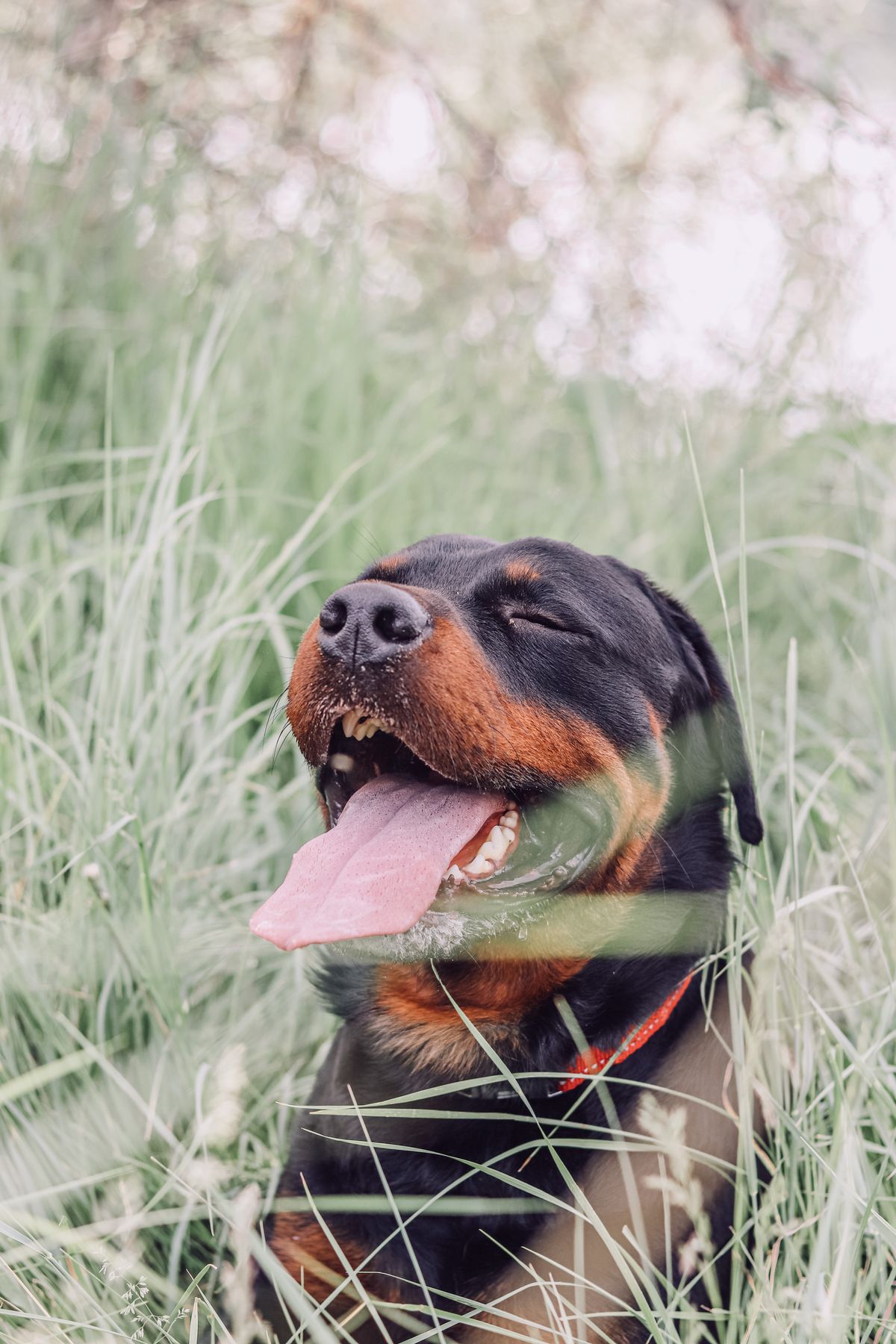
A Rottweiler is a big, strong working dog with a calm, confident heart. It is loyal and gentle with its own family, watchful with strangers, and it needs daily exercise, steady training and early socialization. It is a wonderful dog for an owner who puts in the work, and a handful for one who does not.
| Height | Males 24 to 27 in; females 22 to 25 in |
|---|---|
| Weight | 80 to 135 lb |
| Lifespan | 9 to 10 years |
| Coat | Short, dense double coat, black with rust markings |
| Shedding | Moderate, with a heavier shed twice a year |
| Energy | High. Needs serious daily exercise and training |
Breed-standard figures: AKC Rottweiler breed page.
Rottweilers come from the droving dogs of the Roman legions, and the breed takes its name from the town of Rottweil in Germany, where these dogs herded cattle and pulled carts for butchers and farmers. The American Kennel Club recognized the breed in 1931 and places it in the Working Group. Today the Rottweiler is mostly a family companion and a guard dog, and the American Kennel Club calls it calm, confident and courageous, with a self-assured aloofness toward strangers. This guide tells you straight what a Rottweiler really needs before you bring one home, and how to look after the one you already have.
On this page
Temperament: what a Rottweiler is really like
Inside the family circle, a Rottweiler is a gentle playmate. It bonds deeply with its people, it is loyal to the point of devotion, and it loves being close to its family. With strangers, it is a different dog: calm, watchful and aloof, not instantly friendly. That is the breed doing its job. It watches first, and it decides for itself whether someone is a friend.
That watchfulness is why early and ongoing socialization matters so much. A Rottweiler puppy needs to meet many kinds of people, dogs and places while it is young, so it grows into a confident adult that can tell a normal visitor from a real threat. Without that, the same watchfulness can turn into suspicion, and a suspicious dog of this size is a serious problem.
Rottweilers are usually good with children they grow up with, and they are famously patient with their own family. But they are big and strong, so supervise play with small children, as with any large breed. German Shepherds share the same loyal, protective nature, and Boxers share the same playful family spirit, but the Rottweiler is the calmest and heaviest of the three.
Exercise: how much is enough?
Plan on serious daily exercise: long walks plus play and training, every day. A Rottweiler was bred to work all day, herding cattle and pulling carts, and a short walk around the block will not tire one out. Mix it up: walks, fetch, tug, training sessions and scent games all count.
Mental exercise matters as much as physical exercise for this breed. Ten minutes of learning a new command or searching for a hidden treat can tire a Rottweiler out more than a half-hour walk. A bored Rottweiler is a destructive Rottweiler: chewing, digging and barking are the usual signs that the dog needs more to do.
Puppies are different: their joints are still developing, so keep exercise gentle and avoid forced running or jumping until your vet says they are ready. And in warm weather, exercise early or late in the day, because a big, dark-coated dog heats up fast.
Grooming and shedding
The Rottweiler coat is short, dense and easy to care for, which is one of the breed's best features. A weekly brush with a rubber brush or a slicker brush keeps the coat clean and the shedding under control. During the heavier shedding seasons, brush daily.
- Brushing: once a week normally, daily during heavy shedding.
- Bathing: only when dirty. Too much bathing dries out the coat.
- Nails: trim every few weeks. A Rottweiler's nails are thick and strong, so use clippers made for large breeds.
- Teeth: brush teeth as your vet advises, and give chews that suit a strong jaw.
- Ears: check and clean the ears regularly, as your vet advises.
Shedding is moderate, not light. If you want a dog that barely sheds, this is not your breed. But compared with heavy shedders like Huskies and Samoyeds, the Rottweiler is easy to live with.
Feeding
Feed a complete, good-quality food suited to a large breed, in measured meals, and follow the feeding guide for your dog's age and weight, then adjust with your vet. Most adult Rottweilers do best on two meals a day rather than food left out all day, because free feeding makes weight hard to track, and this breed gains weight easily if it eats too much.
Count treats too. Training treats add up fast with a dog that trains every day, so use small treats and count them as part of the daily food. Avoid sudden food changes: switch foods gradually over a week to avoid an upset stomach. Keep fresh water available at all times, and avoid feeding right before or after intense exercise.
Training
Start early and stay consistent. Rottweilers are smart and they want to work with their owner, which makes them very trainable. Short, positive training sessions every day work better than one long session a week. Reward the behaviour you want; this breed responds best to praise, play, and treats, and it does not respond well to harsh handling.
Teach the basics first: recall, sit, stay, loose-leash walking, and "leave it." Then keep going: a Rottweiler with a job is a happy Rottweiler, so try obedience, tracking, or scent work. Leash training matters more than with most breeds, because a 100 lb dog that pulls is not a joke. And socialization never stops: keep meeting new people, dogs and places all through the dog's life, not just in puppyhood.
What to buy for a Rottweiler
These are the kinds of products that suit this breed. We add specific picks with links as our product roundups come out.
- A strong harness and a sturdy leash. A big, powerful dog needs control without pressure on its neck.
- A large, tough crate, sized for your Rottweiler's adult size, for safe rest and travel.
- A rubber brush and large-breed nail clippers. The coat is easy, but the nails are serious.
- Tough chew toys. A Rottweiler's jaw is strong, so buy toys made for heavy chewers.
- High-quality large-breed food, matched to age and activity, chosen with your vet.
Related: German Shepherd Guide · Boxer Guide · Labrador Retriever Guide · Best Food for German Shepherds
General care information only. This guide covers everyday care, not veterinary advice. For anything about your dog's health, talk to your vet. We never diagnose or treat.
Sources: AKC: Rottweiler breed standard. Breed-standard height, weight and lifespan figures on this page come from the AKC.
FAQ
Are Rottweilers good family dogs?
Yes, when they are well socialized and trained from a young age. Rottweilers are loyal and gentle with their own family, including children they grow up with. They need early socialization, steady training, and supervision with small children, as with any large, strong breed.
Are Rottweilers good for first-time owners?
Usually not the easiest first dog. A Rottweiler is big, strong and confident, and it needs an owner who trains every day and sets clear rules from the start. If you are a first-time owner who is ready to learn, train daily and work with a good trainer, it can work. If you want an easy starter dog, look at a Labrador first.
Do Rottweilers shed a lot?
Moderately. The short double coat sheds all year, with a heavier shed twice a year. A weekly brush keeps it under control, and a daily brush helps during the heavy shedding seasons.
How much exercise does a Rottweiler need?
Serious daily exercise: long walks plus play and training every day. A Rottweiler also needs mental work, like training sessions and scent games. A bored Rottweiler is a destructive Rottweiler, so plan on real activity, not just a garden.