German Shepherd vs Labrador Retriever: Which Dog Fits Your Life?
There is no better dog here, only a better fit. The German Shepherd is a loyal, trainable protector that needs a job and firm rules. The Labrador is a friendly, forgiving family dog that needs exercise, play and a lot of food control. Pick the Shepherd for training and guarding. Pick the Labrador for easy family life.
| German Shepherd | Labrador Retriever | |
|---|---|---|
| Size | 22 to 26 in, 50 to 90 lb | 21.5 to 24.5 in, 55 to 80 lb |
| Lifespan | 9 to 13 years | 10 to 12 years |
| Temperament | Loyal, protective, reserved with strangers | Friendly, outgoing, eager to please |
| Energy | High | High, needs serious daily exercise and play |
| Exercise | Serious daily exercise, walks plus play and training | Long daily exercise, walks plus swimming and fetch |
| Shedding | Heavy year-round, two heavier seasons | Heavy, with two heavier seasons |
| Training | Learns fast, lives to work | Learns fast, food motivated and forgiving |
| Guarding | Excellent watchdog | Poor guard dog, greets strangers like friends |
Breed-standard figures: AKC German Shepherd Dog breed page and AKC Labrador Retriever breed page.
These are two of the most popular dogs in the world, and they suit very different owners. The Shepherd wants a job and a person to protect. The Labrador wants a ball, a swim, and a family to love. This comparison puts them side by side, honestly, so you can pick the one that fits your life, not just the one that looks best in a photo.
On this page
Temperament
The German Shepherd bonds deeply with its people. It is confident, alert and protective of its family, and reserved, not instantly friendly, with strangers. That makes it an excellent watchdog, and it also means early, ongoing socialization matters.
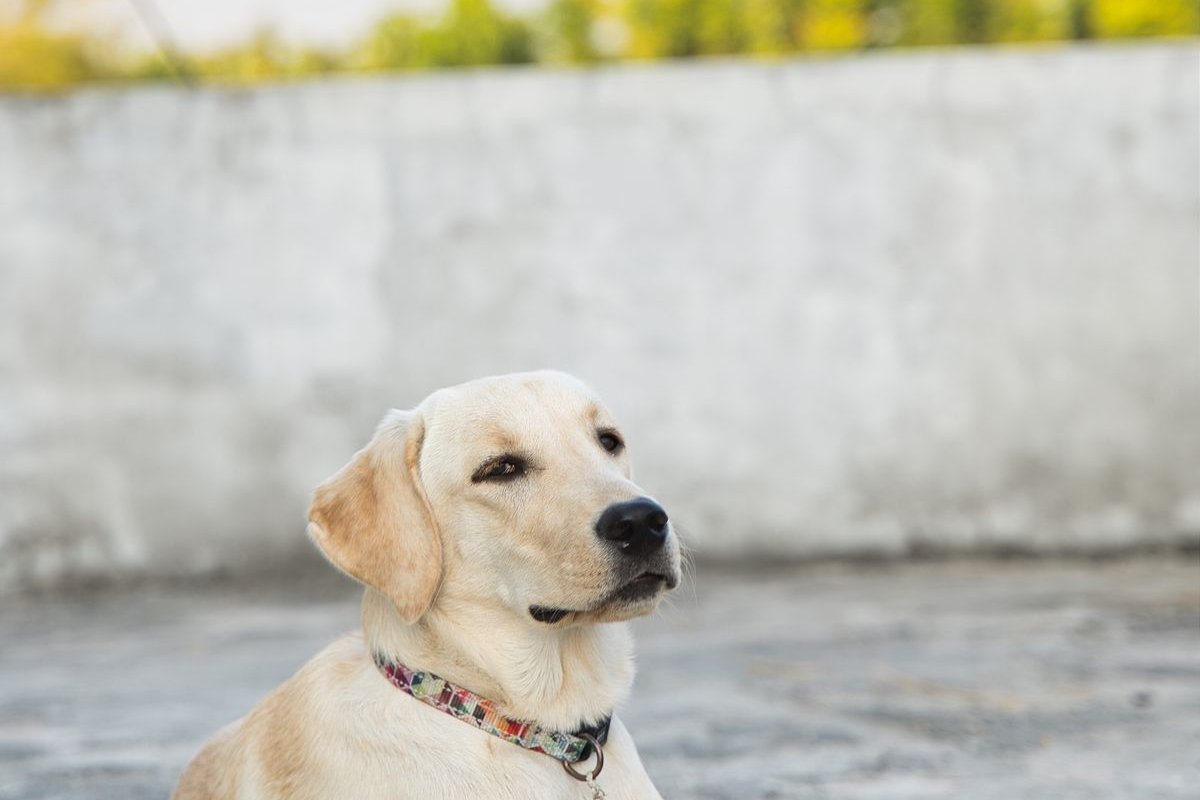
The Labrador is the opposite socially: friendly and outgoing, with people, with other dogs, and often with complete strangers. It is famously patient and forgiving, which is why it is the default family dog in so many homes. A Labrador will greet your guests at the door with a wagging tail and a toy in its mouth.
Both are usually good with children when well socialized. The Labrador is the safer default for a busy family with small children, because it is patient and forgiving. The Shepherd is loyal and protective, and it needs more socialization to be relaxed around visiting children. Both are large, strong dogs, so supervise play with small children.
Exercise
Both breeds need serious daily exercise, and the Labrador needs more play. A German Shepherd needs long walks plus play or training, every day. A quick trip around the block is not enough for most adult Shepherds, and mental exercise matters as much as physical: ten minutes of training can tire a Shepherd out more than a half-hour walk.
A Labrador needs long daily exercise too, with a lot of play: walks, fetch, and swimming if your dog likes water. Labradors were bred as water retrievers, and most of them love to swim. An under-exercised Labrador will exercise itself: on your shoes, your garden, and your food cupboard.
Both love the cold and struggle in the heat. In warm weather, exercise early or late in the day and watch for overheating. Read the full exercise notes in our German Shepherd guide and our Labrador Retriever guide.
Shedding and grooming
Neither breed is for you if you hate dog hair. The Shepherd has a dense double coat and sheds year-round, with heavier shedding seasons twice a year. Brushing 2 to 3 times a week with a de-shedding tool or slicker brush keeps it manageable, daily during heavy shedding. A good vacuum is not optional with this breed.
The Labrador has a short, dense double coat that sheds heavily too, and the short hairs get everywhere: on clothes, on furniture, in the car. Brushing once or twice a week helps, and daily during the heavier shedding seasons. The coat itself is easy to care for, and Labradors are famously clean dogs with little doggy smell.
If shedding is your dealbreaker, neither breed will make you happy. Golden Retrievers shed heavily too, with even more brushing.
Training
Both breeds are easy to train, and both learn fast. German Shepherds live to work: short, positive training sessions every day work best, then harder work: obedience, tracking, agility or scent games. A trained Shepherd is a joy; an untrained one is a handful.
Labradors are the easier of the two for most families. They are food motivated and forgiving, so they learn fast and they forgive beginner mistakes. Keep sessions short and fun, and reward generously. The main training problem with a Labrador is not stubbornness, it is excitement: jumping up, pulling on the lead, and stealing food. Teach calm greetings and loose-leash walking early.
Guarding and strangers
This is the biggest difference between the two. The Shepherd is an excellent watchdog: alert, protective, and reserved with strangers. It will bark at visitors and watch them until it decides they are safe. That is a feature, not a flaw, if you want a guard dog.
The Labrador is a poor guard dog, because it greets strangers like friends. Do not get a Labrador for guarding: yours will probably show the burglar where the treats are, then ask for a belly rub.
Both need early, ongoing socialization. For the Shepherd, it teaches the dog which strangers are normal. For the Labrador, it teaches the dog some manners around guests, so it does not knock them over with excitement.
Feeding
Feed a complete, good-quality food suited to the breed, in measured meals, and follow the feeding guide for your dog’s age and weight. The Shepherd is a large, active breed, usually fed twice a day as an adult. The Labrador is a large, active breed too, and it loves food more than almost any other breed, so measure every meal and count every treat. A Labrador that eats too much gains weight fast, and extra weight is hard on the joints. For Shepherd-specific picks, see the best food for German Shepherds.
Which one should you choose?
Choose the German Shepherd if you want a loyal protector that lives to train and work, and you are ready for daily exercise and training. It is the better pick if you want a watchdog and a training partner.
Choose the Labrador Retriever if you want a friendly, forgiving family dog that is easy to train and loves children, swimming and fetch. It is the better pick for a first-time owner and for a busy family.
Choose neither, for now, if you want a calm, low-energy dog, or you live in a small flat with no garden and no time for long daily exercise. And if you want something smaller and calmer, read our Beagle guide before you decide.
Related: German Shepherd Guide · Labrador Retriever Guide · German Shepherd vs Husky · German Shepherd vs Samoyed · Best Food for German Shepherds
General care information only. This comparison covers everyday care, not veterinary advice. For anything about your dog’s health, talk to your vet. We never diagnose or treat.
Sources: AKC: German Shepherd Dog breed standard and AKC: Labrador Retriever breed standard. Breed-standard height, weight and lifespan figures on this page come from the AKC.
FAQ
Which is easier to train, a German Shepherd or a Labrador?
Both are easy to train, and both learn fast. The Shepherd learns fast and lives to work, so it suits owners who want to do serious training. The Labrador is the easier of the two for most families, because it is food motivated, forgiving, and happy to learn.
Which sheds more, a German Shepherd or a Labrador?
Both shed heavily. The Shepherd sheds year-round with two heavier seasons. The Labrador sheds heavily too, with a short dense coat that gets everywhere, and two heavier seasons.
Which is better with kids, a German Shepherd or a Labrador?
Both are usually good with children when well socialized. The Labrador is the safer default for a busy family: it is patient, gentle and forgiving. The Shepherd is loyal and protective, and it needs more socialization to be relaxed around visiting children. Supervise play with small children, as with any medium-large, high-energy dog.
Which is better for first-time owners, a German Shepherd or a Labrador?
The Labrador, by a long way. It is forgiving, friendly and easy to train, and it suits a first-time owner who exercises it daily. The German Shepherd is a better fit for an owner who is ready for daily training, firm rules and serious exercise.