Corgi Guide: Temperament, Exercise, Grooming, Training & What to Buy
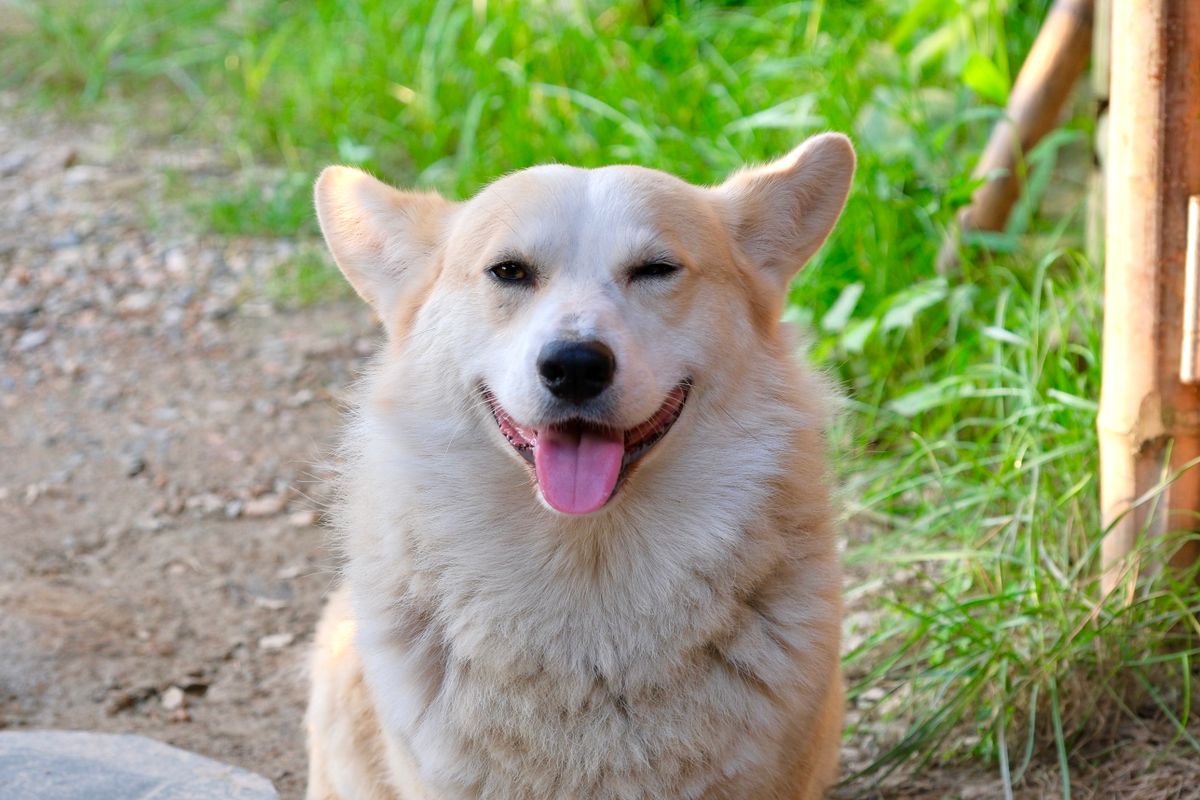
A Pembroke Welsh Corgi is a herding dog in a small, long body: smart, funny, stubborn, and far more active than the short legs suggest. It needs daily exercise, firm training, and help with a thick double coat that sheds all year. It is a wonderful family dog, and a busy one.
| Height | 10 to 12 in |
|---|---|
| Weight | Up to 30 lb (males), up to 28 lb (females) |
| Lifespan | 12 to 13 years |
| Coat | Thick double coat, medium length |
| Shedding | Heavy, with two heavier seasons |
| Energy | High. A herding dog that needs daily work and play |
Breed-standard figures: AKC Pembroke Welsh Corgi breed page.
Corgis come from Wales, where they herded cattle by nipping at heels, then ducking low to dodge a kick. The American Kennel Club recognized the Pembroke Welsh Corgi as a separate breed from the Cardigan in 1934, and the breed became world famous through Queen Elizabeth II, who owned more than 30 corgis in her lifetime. This guide tells you straight what a Corgi really needs before you bring one home, and how to look after the one you already have.
On this page
Temperament: what a Corgi is really like
Corgis are bright, bold and full of opinions. They are affectionate with their family, wary of strangers, and always ready to tell you what they think. A Corgi has the confidence of a much bigger dog, and it will happily run the house if you let it.
They are also herding dogs, and the herding never really switches off. A Corgi may try to herd children, other pets, and even the vacuum cleaner, usually by circling, barking, or nipping at heels. It is not aggression. It is the job the breed was built for, and it needs an outlet.
Corgis are usually good with children and other dogs, and they make alert, vocal watchdogs: a Corgi will announce every visitor at the door. Border Collies are the closest match in herding drive, and Beagles share the same stubborn streak, but the Corgi is the one with the famous smile and the short legs.
Exercise: how much is enough?
Plan on at least an hour a day of walks and play, plus training or nose games. A Corgi that only gets a garden is a Corgi that gets bored, and a bored Corgi barks, digs and chews. The short legs fool people: this is a working dog, not a lap dog.
Mix it up: walks, fetch, training sessions, and scent games all count. Mental exercise matters too. Ten minutes of training or a puzzle feeder can tire a Corgi out more than a half-hour walk.
Watch the stairs and jumping. Corgis have long backs and short legs, so avoid letting them jump down from high places. Use a ramp or a step for the car and the sofa where you can. Puppies are different: their joints are still developing, so keep exercise gentle and avoid forced running or jumping until your vet says they are ready.
Grooming and shedding
Corgis shed. A lot. They have a thick double coat and shed all year, with heavier shedding twice a year when they blow their coat. The hair is everywhere: clothes, furniture, the car, your food. If you hate dog hair, this is the honest dealbreaker to know upfront.
- Brushing: a few times a week with a slicker brush or a de-shedding tool; daily during heavy shedding.
- Bathing: only when dirty. Too much bathing dries out the coat.
- Nails: trim every few weeks.
- Ears and teeth: check ears regularly and brush teeth as your vet advises.
A good vacuum is not optional with this breed. It is the single most useful household purchase for a Corgi owner.
Feeding
Feed a complete, good-quality food suited to a medium breed, and follow the feeding guide for your dog’s age and weight, then adjust with your vet. Measure every meal. Corgis do best on set meals (usually twice a day for adults) rather than food left out all day, because a Corgi with free access to food will eat until the bowl is empty and then look for more.
Count treats too. Training treats add up fast with a food-driven dog, so use small treats and count them as part of the daily food. Avoid sudden food changes: switch foods gradually over a week to avoid an upset stomach. Keep fresh water available at all times, and avoid feeding right before or after intense exercise.
Training
Start early and stay consistent. Corgis learn fast when food is involved, and they want to please, but they also have a stubborn streak and a talent for finding loopholes. Short, positive training sessions every day work better than one long session a week. Reward the behaviour you want; this breed responds best to praise, play, and treats.
Teach the basics first: recall, sit, stay, loose-leash walking, and “leave it.” Recall matters more for a Corgi than for most breeds, because a Corgi that spots something to herd will go for it. House training can take patience with this breed, so keep a steady routine and reward every success. A trained Corgi is a joy; an untrained one is a small boss that herds your whole family.
What to buy for a Corgi
These are the kinds of products that suit this breed. We add specific picks with links as our product roundups come out.
- A slicker brush or de-shedding tool and a good vacuum. The shedding is real, and the right tools make it manageable.
- A comfortable harness. A strong little dog needs control without pressure on its neck.
- A ramp or pet steps. Long backs and short legs mean jumping down from cars and sofas is best avoided.
- Durable chew toys and a puzzle feeder. A bored Corgi chews, and a puzzle feeder slows down a fast eater.
- High-quality medium-breed food, matched to age and activity, chosen with your vet.
Related: Border Collie Guide · Beagle Guide · Pug Guide
General care information only. This guide covers everyday care, not veterinary advice. For anything about your dog’s health, talk to your vet. We never diagnose or treat.
Sources: AKC: Pembroke Welsh Corgi breed standard. Breed-standard height, weight and lifespan figures on this page come from the AKC.
FAQ
Are Corgis good for first-time owners?
They can be, if you are firm and consistent. Corgis are smart and eager, but they are herding dogs with opinions, and they will test rules. Short daily training and clear routines make life easy. A Corgi that trains no one will train you instead.
Do Corgis shed a lot?
Yes. Corgis shed all year and heavily twice a year, when they blow their thick double coat. Brushing a few times a week keeps the worst of it off the floor, and a good vacuum is part of life with a Corgi.
Are Corgis good with kids?
Usually yes. Corgis are sturdy, playful and patient, and they love family life. Watch the herding habit: some Corgis nip at heels when kids run, so teach children to stand still and teach the dog that heels are off limits.
How much exercise does a Corgi need?
More than the short legs suggest. Plan on at least an hour a day of walks and play, plus training or nose games. A Corgi that only gets a garden is a Corgi that gets bored, and a bored Corgi barks, digs and chews.