Pug Guide: Temperament, Exercise, Grooming, Training & What to Buy
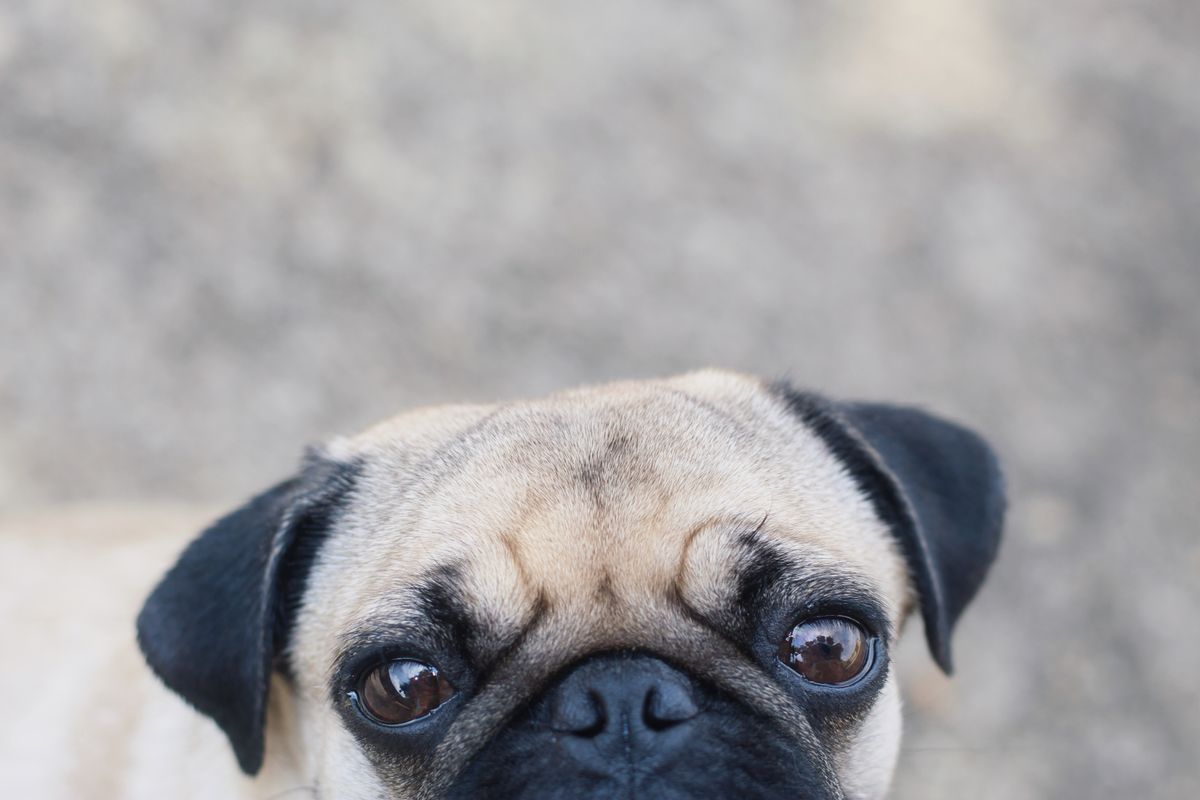
A Pug is a small, sturdy, funny companion dog that loves people, food, and the sofa in roughly that order. It needs short daily exercise, help with shedding and wrinkles, and a watchful eye on meals. It is one of the easiest breeds to live with, and one of the hardest to keep slim.
| Height | 10 to 13 in |
|---|---|
| Weight | 14 to 18 lb |
| Lifespan | 13 to 15 years |
| Coat | Short, smooth double coat |
| Shedding | Heavy, with two heavier seasons |
| Energy | Low to moderate. Needs short daily exercise and play |
Breed-standard figures: AKC Pug breed page.
Pugs pack a lot of dog into a small body. They were once the companions of Chinese emperors, and the American Kennel Club recognized the breed in 1885, and they still act like royalty: they expect a lap, a treat, and your full attention. This guide tells you straight what a Pug really needs before you bring one home, and how to look after the one you already have.
On this page
Temperament: what a Pug is really like
Pugs live to love and to be loved in return. They are charming, mischievous, and endlessly affectionate, and they follow their people from room to room. A Pug is happiest on a lap or pressed against your leg, and it will grumble, snort, and sigh loudly to tell you exactly how it feels. Owners either find this hilarious or exhausting. There is no middle ground.
They are also famously food-driven. A Pug will eat anything, beg for more, and steal food given half a chance. That appetite makes training easy, because a treat is the best reward there is, but it also means weight creeps on fast if meals and treats are not measured.
Pugs are usually good with children, other dogs, and strangers, and they make poor guard dogs: a Pug is far more likely to greet a burglar than to chase him off. They are quiet dogs that rarely bark without reason, which makes them a good fit for flats. French Bulldogs are the closest match in temperament, funny and people-focused in the same way, while Beagles are louder and more independent than a Pug.
Exercise: how much is enough?
Plan on short daily exercise: a couple of short walks plus play, every day. Pugs are not built for long runs, and they struggle in hot weather, so keep walks short and walk early or late on warm days. A quick trip around the block, twice a day, plus a game indoors is enough for most adult Pugs.
Mix it up: short walks, gentle play, training sessions, and scent games all count. Mental exercise matters too. Ten minutes of training or a puzzle feeder can tire a Pug out more than a half-hour walk.
Puppies are different: their joints are still developing, so keep exercise gentle and avoid forced running or jumping until your vet says they are ready.
Grooming and shedding
Pugs shed. A lot. They have a short, smooth double coat and shed year-round, with heavier shedding twice a year. The hair is short, so it gets everywhere: clothes, furniture, the car, your food. If you hate dog hair, this is the honest dealbreaker to know upfront.
- Brushing: once a week with a soft bristle brush or rubber grooming mitt; more often during heavy shedding.
- Wrinkles: wipe the folds on the face regularly and keep them clean and dry.
- Bathing: only when dirty. Too much bathing dries out the coat.
- Nails: trim every few weeks.
- Ears and teeth: check ears regularly and brush teeth as your vet advises.
A good vacuum is not optional with this breed. It is the single most useful household purchase for a Pug owner.
Feeding
Feed a complete, good-quality food suited to a small breed, and follow the feeding guide for your dog’s age and weight, then adjust with your vet. Measure every meal. Pugs do best on set meals (usually twice a day for adults) rather than food left out all day, because a Pug with free access to food will eat until the bowl is empty and then look for more.
Count treats too. Training treats add up fast with a food-driven dog, so use small treats and count them as part of the daily food. Avoid sudden food changes: switch foods gradually over a week to avoid an upset stomach. Keep fresh water available at all times, and avoid feeding right before or after intense exercise.
Training
Start early and stay consistent. Pugs learn fast when food is involved, and they want to please, but they also have a stubborn streak and a short attention span. Short, positive training sessions every day work better than one long session a week. Reward the behaviour you want; this breed responds best to praise, play, and treats.
Teach the basics first: recall, sit, stay, loose-leash walking, and “leave it.” Recall matters more for a Pug than for most breeds, because a Pug that spots food will go for it. House training can take patience with this breed, so keep a steady routine and reward every success. A trained Pug is a joy; an untrained one is a small clown that steals your dinner.
What to buy for a Pug
These are the kinds of products that suit this breed. We add specific picks with links as our product roundups come out.
- A comfortable harness. A small, sturdy dog needs control without pressure on its neck.
- A soft bristle brush or rubber grooming mitt and a good vacuum. The shedding is real, and the right tools make it manageable.
- A sturdy crate, sized for an adult Pug, for safe rest and travel.
- Durable chew toys and a puzzle feeder. Cheap toys do not survive this jaw, and a puzzle feeder slows down a fast eater.
- High-quality small-breed food, matched to age and activity, chosen with your vet.
Related: French Bulldog Guide · Beagle Guide · Labrador Retriever Guide
General care information only. This guide covers everyday care, not veterinary advice. For anything about your dog’s health, talk to your vet. We never diagnose or treat.
Sources: AKC: Pug breed standard. Breed-standard height, weight and lifespan figures on this page come from the AKC.
FAQ
Are Pugs good for first-time owners?
Yes, they are one of the easiest first dogs. They are friendly, funny, and forgiving of beginner mistakes. But they still need daily exercise and training, and they gain weight fast, so do not expect a dog you can ignore.
Do Pugs shed a lot?
Yes, far more than most people expect from a short coat. They shed year-round, with heavier shedding twice a year. Weekly brushing helps, and a good vacuum is part of life with a Pug.
Are Pugs good with kids?
Usually yes. Pugs are patient, sturdy, and playful, and they love attention. Supervise play with small children anyway, because a Pug is small and can be hurt by rough handling.
How much exercise does a Pug need?
Short daily exercise: a couple of short walks plus play, every day. Pugs are not built for long runs or hot weather, so keep walks short and walk early or late on warm days.