Ragdoll Cat: The Complete Breed Guide
The Ragdoll is a big, calm, blue eyed lap cat, and the second most registered cat breed in the US. Males reach 15 to 20 pounds, the silky coat needs only one or two gentle brushings a week, and a kitten costs $1,000 to $2,800 in the US. If you want a quiet, devoted cat that flops in your lap for hours and follows you at a slow pace, and you are home enough to be its company, this breed fits. If you want an active, independent cat, or you are away all day every day, it does not.
| Size | Males 15 to 20 pounds, among the largest pet cats |
|---|---|
| Coat | Silky and pointed, needs brushing once or twice a week |
| Temperament | Calm, relaxed, deeply people focused |
| Energy | Gentle play in short bursts, then lounging near you |
| Growth | Slow, takes up to four years to reach full size |
| Pet kitten price | $1,000 to $2,800 in the US |
Breed facts on this page come from our own Ragdoll pages and the CFA registration rankings. Prices are US planning ranges gathered in November 2026, not quotes.
The Ragdoll is the second most registered cat breed in the US and third in real adoption searches, a big, blue eyed cat famous for going soft and relaxed in your arms. That fame is earned: this is the calmest of the large breeds, a cat that would rather melt into your lap than climb your curtains. It is also a real commitment in company, food cost and space. This guide covers the breed honestly, so you can decide if it fits your home before a kitten owns your sofa.
On this page
Temperament
The Ragdoll is the calm one. This is the breed that goes relaxed and floppy when picked up, follows you at a slower pace, and spends the evening draped over your lap or the arm of the sofa. Ragdolls are deeply people focused and do not enjoy being left out of whatever the family is doing. They are not aloof, and they are good with respectful children and other pets, when introductions are done slowly.
Their voice is soft and used sparingly, which makes them easy neighbours in flats and quiet homes. What they ask for in return is company. A Ragdoll left alone in an empty house all day is a bored and lonely cat, not a low maintenance one. If your home is busy and people are around, this breed is at its happiest. Our workday guide for Ragdolls covers the alone-time question in full.
Size and growth
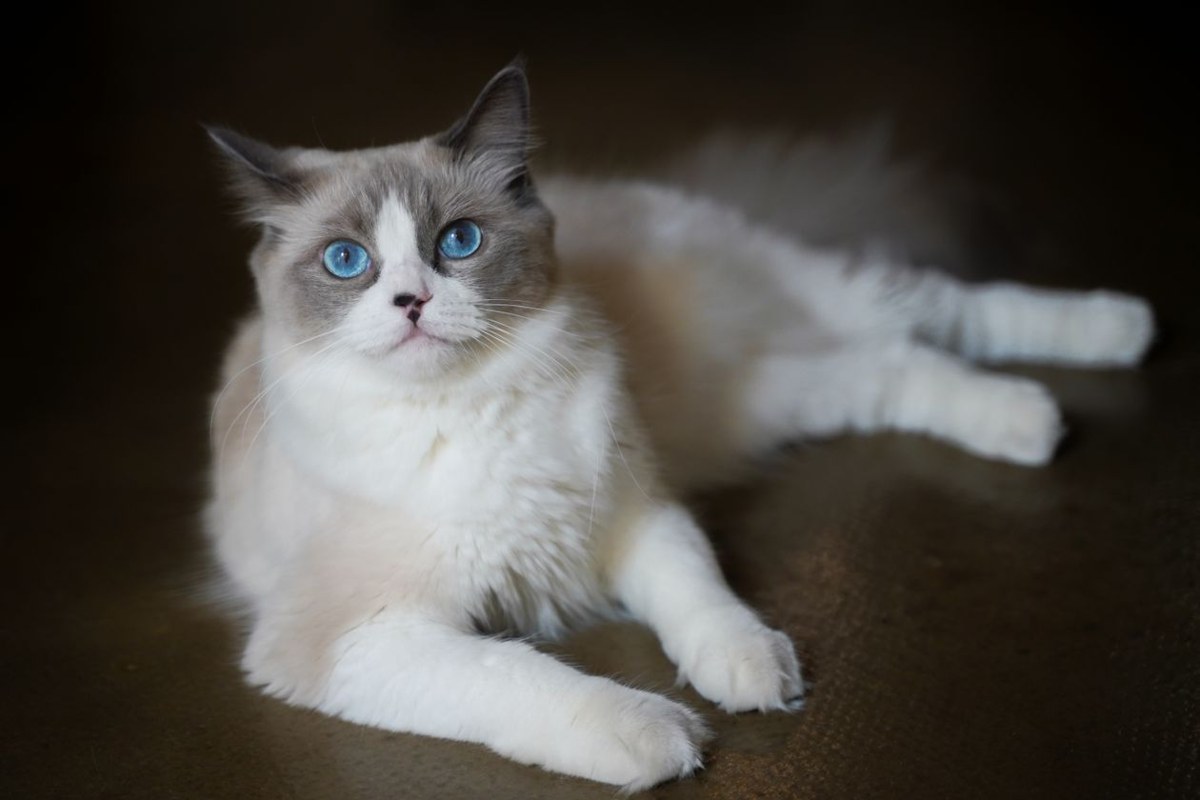
Ragdolls are among the largest pet cats. A male weighs 15 to 20 pounds, feels solid and heavy when you lift him, and wears a silky, pointed coat, meaning a pale body with darker face, ears, legs and tail, plus those famous blue eyes. Females are smaller than males. This is a cat that needs furniture and gear built for its size: a large litter box, a sturdy carrier, and a cat tree that will not tip when a heavy cat lands on it.
They also grow slowly. A Ragdoll is not fully grown until about four years, so the kitten you bring home keeps surprising you for a long time. Good breeders raise kittens for 12 to 14 weeks before they go home, and that slow start is part of what you are paying for. That slow growth changes feeding too: feed a kitten formula through the growth period, in small measured meals through the day. Our best food for Ragdoll cats guide covers the feeding side in full.
Grooming and shedding
The Ragdoll coat looks just as glamorous as the Maine Coon coat but behaves better. It is silky with a light undercoat, sheds less and rarely mats. One or two gentle brushings a week keep most Ragdolls in order, which is the pleasant surprise of this breed. There are no grooming salon bills to plan for, and no daily brushing routine to keep up.
Start brushing while your cat is young, so it grows up used to it. Most Ragdolls accept brushing well when it is part of the routine from kittenhood, and many of them enjoy it. Our Maine Coon vs Ragdoll comparison shows how this coat compares with the Maine Coon’s heavier one.
Exercise and play
A Ragdoll plays in shorter, gentler bursts and then returns to lounging near you. It is an indoor cat in both habit and breeder contract, less driven to climb to the top of everything. Interactive play suits it best: a wand toy, a small ball to chase, a puzzle feeder. Ten minutes of play, a few times a day, is usually enough to keep a Ragdoll happy.
Play matters even for a calm cat. A Ragdoll that never plays gets bored, and a bored Ragdoll follows you around the house asking for attention in the only ways it knows. Short play sessions through the day, plus a window to watch and a tall scratching post, give this breed the life it enjoys.
Feeding
A Ragdoll is a big, calm, indoor cat, and its food should match that: a complete, good-quality formula made for large indoor cats, fed in measured meals. Ragdolls do well on measured meals, usually twice a day for adults, rather than food left out all day. A calm indoor cat does not burn food the way an active cat does, so measured meals matter more than a big bowl left out all day. Our best food for Ragdoll cats guide lists the picks owners use, from a breed-specific formula to a fresh food pick.
Food is one of the biggest ongoing costs of this breed. Our Ragdoll price guide breaks down the full first year, including food, litter, vet care and supplies. Kittens eat more often, in smaller meals, and their food and portions change as they grow.
Living with a Ragdoll
A Ragdoll fits best in a home where people are around. They do well in houses and in flats, as long as they have a tall, sturdy scratching post, a window to watch, and play every day. They are indoor cats, and they are happiest inside with their people.
Plan the gear for a big cat from the start: a large litter box, a scratching post built for a heavy cat, a sturdy carrier, and food and water bowls that will not slide around. Cheap small cat furniture is a false saving with this breed: you will buy it twice. Kittens go home at 12 to 14 weeks from a good breeder, already litter trained and used to people, which makes the first days much easier.
Who should get one, and who should not
Get a Ragdoll if you want a calm, devoted lap cat, you enjoy a cat that follows you around the house and melts into your arms, and you are home enough to be its company.
Think twice if you are away all day every day with no plan for company, or you want an active, independent cat that mostly ignores you. A Ragdoll is a companion cat, not a decoration, and it will be in your space, on your lap and in your conversations.
Choose a Maine Coon instead if you want a more playful, curious companion with a bigger personality and you can give it the extra grooming time. Our Maine Coon vs Ragdoll comparison puts the two side by side, honestly.
Related: Ragdoll Cat Price · Best Food for Ragdoll Cats · Can Ragdolls Be Left Alone? · Maine Coon vs Ragdoll · All Cat Guides
General care information only. This guide covers everyday care, not veterinary advice. For anything about your cat’s health, talk to your vet. We never diagnose or treat.
Sources: breed facts on this page follow our Ragdoll Price guide, our Best Food for Ragdoll Cats guide and our Maine Coon vs Ragdoll comparison. Prices follow the Petful Ragdoll cat price guide, cross checked against US breeder listings in November 2026.
FAQ
How big do Ragdolls get?
Ragdoll males weigh 15 to 20 pounds, and both sexes are among the largest pet cats. They feel solid and heavy when you lift them, and they take up to four years to reach full size.
Do Ragdolls shed a lot?
They shed, but less than most long coats. The silky coat mats far less than a Maine Coon coat, and one or two gentle brushings a week usually keep it in order.
Are Ragdolls good with children?
Ragdolls are calm, gentle and people focused, and they usually do well in family homes. As with any pet, supervise play with small children.
How much does a Ragdoll cost?
In the US, a pet Ragdoll kitten usually costs $1,000 to $2,800, and a show kitten costs $3,000 to $5,000 or more. Adoption usually costs $75 to $600.
Can Ragdoll cats be left alone all day?
Ragdolls are deeply people focused and do not enjoy being left out of family life. They handle a normal workday better with a good setup than with an empty house, and they are a poor fit for someone who is away all day every day with no plan for company.