Samoyed vs Husky Grooming: Which Coat Is More Work?
The Samoyed coat is more work overall. It is longer, it needs brushing several times a week all year, it mats if you skip it, and baths take longer with drying. The Husky coat is easier between sheds, but twice a year it blows its undercoat and the fur comes out in handfuls. Pick the Samoyed if you enjoy grooming. Pick the Husky if you want a coat you can mostly leave alone, except for two big sheds a year.
| Samoyed | Siberian Husky | |
|---|---|---|
| Size | 19 to 24 in, 35 to 65 lb | 20 to 24 in, 35 to 60 lb |
| Lifespan | 12 to 14 years | 12 to 14 years |
| Coat | Thick double coat, longer outer coat | Thick double coat, medium length |
| Shedding | Heavy, year-round, with a big seasonal shed | Heavy, with a huge seasonal shed twice a year |
| Brushing | Several times a week, daily in shedding season | A few times a week, daily during the big shed |
| Bathing | Only when dirty, dry thoroughly after | Rarely needed, famously clean dog |
| Matting | Yes, if brushing is skipped | Rare, coat is easier to manage |
| Smell | Little smell when dry and brushed | Little doggy smell, famously clean |
Breed-standard figures: AKC Samoyed breed page and AKC Siberian Husky breed page.
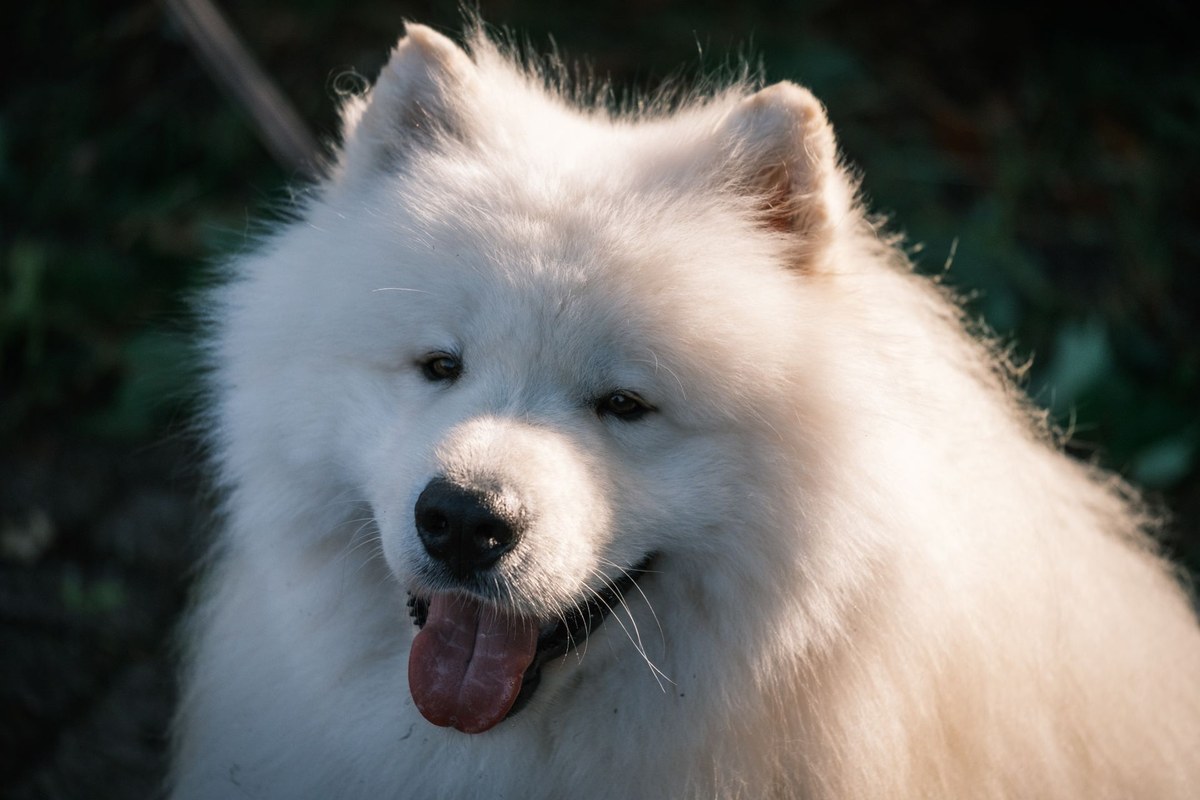
Both of these dogs wear a thick double coat, and both shed heavily. But the work is not the same. The Samoyed coat is longer and fluffier, and it asks for your time every week of the year. The Husky coat is shorter and easier, and it asks for your time in two big bursts a year. This comparison puts the grooming work side by side, honestly, so you know what you are signing up for before you fall in love with the fluff.
On this page
Brushing
This is where the Samoyed pulls ahead in work, and not in a good way. A Samoyed needs brushing several times a week with a slicker brush and a comb, and daily during shedding season. Skip it and the thick undercoat mats, and mats are painful to remove. Brushing a Samoyed is a real weekly habit, not a quick job.
A Husky needs less. Brush a few times a week with a de-shedding tool or rake, and daily during the big shed. Between sheds the coat is surprisingly low-maintenance. That is the Husky advantage: for most of the year, grooming takes less of your time.
Both breeds shed white or light fur on everything you own. A good vacuum is not optional with either dog. Read the full grooming notes in our Samoyed guide and our Siberian Husky guide.
Shedding seasons
The Samoyed sheds heavily year-round, with a big seasonal shed when the seasons change. White fur will be on everything you own, all year. That is the price of the fluff.
The Husky sheds heavily too, but its pattern is different. Twice a year it blows its undercoat, and the fur comes out in handfuls. Outside those two big sheds, the shedding is lighter. So the Husky gives you two dramatic weeks, and the Samoyed gives you steady fur, every week, all year.
If you hate dog hair, neither breed will make you happy. But if you had to pick the lighter load, the Husky coat is lighter for most of the year.
Bathing and drying
Bathe a Samoyed only when dirty, and dry the coat thoroughly afterwards. A damp undercoat can mat and smell, and a thick Samoyed coat takes a long time to dry. Budget for a high-velocity dryer or a good towel routine, and honestly, budget for a professional groomer now and then, especially during the big seasonal shed.
Huskies are famously clean dogs with little doggy smell, and bathing is rarely needed. They keep themselves clean. When you do bathe a Husky, the coat still needs proper drying, but the job is shorter because the coat is shorter.
Never shave either breed. The double coat regulates temperature and protects the skin, and shaving can damage the coat and make heat worse, not better. If you live somewhere hot, check our Breed Climate Checker before you decide.
Tools that work
For a Samoyed, the two tools that actually work on a double coat are a slicker brush and a steel comb. We compare the picks in our guide to the best brush for a Samoyed. Add a sturdy harness, because Samoyeds pull, and a good vacuum for the white fur.
For a Husky, the key tool is a de-shedding rake for the twice-yearly coat blow. A slicker brush helps between sheds. Add a good vacuum too. You already know why.
Nails need trimming every few weeks for both breeds, and ears and teeth need regular checks, as your vet advises.
Time and cost
Over a year, the Samoyed costs you more time. Several brushing sessions a week, longer baths, longer drying, and more frequent professional grooming add up. The Husky costs you less time most weeks, then asks for a lot of brushing during the two big sheds.
Both need the same basics: brushes, a comb or rake, shampoo for the occasional bath, nail clippers, and a vacuum that can handle heavy shedding. The Samoyed adds a dryer and more groomer visits on top.
Which coat should you choose?
Choose the Samoyed coat if you enjoy grooming and you love the fluffy look enough to brush several times a week, all year. The work is steady, and the reward is a beautiful white cloud of a dog.
Choose the Husky coat if you want a coat you can mostly leave alone between sheds, and you can handle two dramatic shedding seasons a year. It is the lighter grooming load overall.
Choose neither, for now, if you want a low-shedding dog or you have no time for weekly brushing. And if you want the full picture beyond grooming, read our Samoyed vs Siberian Husky comparison before you decide.
Related: Samoyed Guide · Siberian Husky Guide · Best Brush for a Samoyed · Samoyed vs Siberian Husky · Breed Climate Checker
General care information only. This comparison covers everyday care, not veterinary advice. For anything about your dog’s health, talk to your vet. We never diagnose or treat.
Sources: AKC: Samoyed breed standard and AKC: Siberian Husky breed standard. Grooming notes on this page follow our Samoyed guide and our Siberian Husky guide.
FAQ
Which coat is more work, a Samoyed or a Husky?
The Samoyed, overall. Its longer coat needs brushing several times a week all year, it mats if you skip it, and baths take longer with drying. The Husky is easier between sheds, but its twice-yearly coat blow is dramatic.
How often should I brush a Samoyed?
Several times a week with a slicker brush and a comb, and daily during shedding season. Skipping brushing lets the thick undercoat mat.
How often should I brush a Husky?
A few times a week with a de-shedding tool or rake, and daily during the big shed. Between sheds the Husky coat is surprisingly low-maintenance.
Can you shave a Samoyed or a Husky in summer?
No. The double coat regulates temperature and protects the skin. Shaving can damage the coat and make heat worse, not better.